In the realm of motor control, understanding the differences between continuous – duty and intermittent – duty motor control is crucial for both manufacturers and end – users. As a supplier in the Motor and Electronic Control industry, I’ve witnessed firsthand the impact these distinctions can have on various applications. Motor and Electronic Control
Continuous – Duty Motor Control
Continuous – duty motor control is designed for motors that operate continuously for long periods without interruption. These motors are engineered to handle a constant load and maintain a stable temperature under normal operating conditions.
One of the key features of continuous – duty motors is their ability to dissipate heat effectively. Since they run continuously, heat build – up is a significant concern. Specialized cooling mechanisms, such as fans or liquid cooling systems, are often incorporated to keep the motor temperature within a safe range. For example, in industrial conveyor systems, continuous – duty motors are used to drive the belts. These motors need to run non – stop throughout the production process, and efficient heat dissipation ensures their long – term reliability.
Another aspect of continuous – duty motor control is the power rating. These motors are typically rated for a specific continuous power output. This rating is carefully calculated based on the expected load and operating conditions. For instance, a water pump in a municipal water supply system requires a continuous – duty motor. The motor’s power rating is determined by the volume of water to be pumped and the pressure required to distribute it through the pipes.
The control systems for continuous – duty motors are also designed for stability. They often use closed – loop control algorithms to maintain a constant speed and torque. This ensures that the motor operates at the desired performance level, regardless of small variations in the load. In a printing press, for example, a continuous – duty motor is used to drive the rollers. The closed – loop control system ensures that the rollers rotate at a precise speed, resulting in high – quality prints.
Intermittent – Duty Motor Control
Intermittent – duty motor control, on the other hand, is designed for motors that operate in short bursts or cycles. These motors are not intended to run continuously but rather in intervals with periods of rest in between.
One of the main advantages of intermittent – duty motors is their ability to handle high – peak loads. Since they have periods of rest, they can briefly operate at a higher power output than a continuous – duty motor of the same size. For example, in a crane system, the motor is used to lift heavy loads intermittently. During the lifting operation, the motor needs to generate a high amount of torque. Once the load is lifted, the motor can rest, allowing it to recover from the high – peak operation.
The design of intermittent – duty motors is also different from continuous – duty motors. They are often smaller and more compact because they do not need to be designed for continuous heat dissipation. However, they need to be able to handle rapid changes in load and speed. The control systems for intermittent – duty motors are more focused on quick response and precise control during the short operating cycles. For instance, in a robotic arm, the intermittent – duty motors are used to move the arm quickly and accurately. The control system needs to be able to adjust the motor’s speed and torque rapidly to perform the required tasks.
Differences in Applications
The differences between continuous – duty and intermittent – duty motor control are reflected in their applications.
Continuous – duty motors are commonly used in applications where a constant and reliable operation is required. In addition to the conveyor systems and water pumps mentioned earlier, they are also used in ventilation systems, where they need to run continuously to maintain air circulation. In a large office building, for example, continuous – duty motors are used to power the air handling units, ensuring a constant supply of fresh air.
Intermittent – duty motors, on the other hand, are used in applications where the load is variable and the motor does not need to run continuously. In addition to cranes and robotic arms, they are also used in machine tools. For example, in a lathe, the motor is used to drive the cutting tool intermittently. The motor needs to be able to start and stop quickly and adjust its speed according to the cutting requirements.
Differences in Cost and Maintenance
There are also differences in cost and maintenance between continuous – duty and intermittent – duty motor control.
Continuous – duty motors are generally more expensive to purchase because of their more complex design and the need for efficient cooling systems. However, they often have a longer lifespan and lower maintenance costs in the long run. Since they are designed for continuous operation, they are less likely to experience sudden failures. The maintenance mainly involves regular inspections and cleaning of the cooling systems.
Intermittent – duty motors are usually less expensive to purchase because of their simpler design. However, they may require more frequent maintenance, especially if they are subjected to high – peak loads. The control systems of intermittent – duty motors also need to be calibrated more frequently to ensure accurate operation during the short operating cycles.
Choosing the Right Motor Control
When choosing between continuous – duty and intermittent – duty motor control, several factors need to be considered.
The first factor is the nature of the application. If the application requires a constant and continuous operation, a continuous – duty motor is the better choice. If the load is variable and the motor only needs to operate in short intervals, an intermittent – duty motor is more suitable.
The second factor is the budget. Continuous – duty motors may have a higher upfront cost, but they can save money in the long run due to lower maintenance costs. Intermittent – duty motors are more cost – effective in terms of the initial purchase, but the maintenance costs may add up over time.
The third factor is the available space. Continuous – duty motors often require more space for cooling systems, while intermittent – duty motors are more compact.
As a supplier of Motor and Electronic Control, we understand the importance of choosing the right motor control for your specific application. Our team of experts can help you evaluate your needs and select the most suitable motor control solution. Whether you need a continuous – duty motor for a long – term, stable operation or an intermittent – duty motor for a variable – load application, we have the products and expertise to meet your requirements.
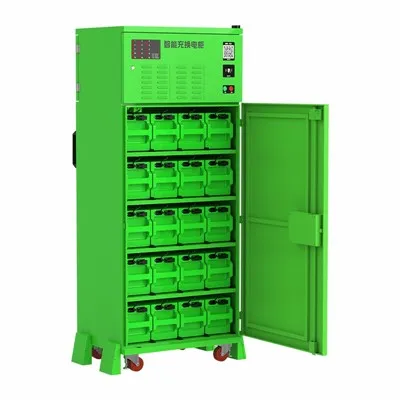
Smart Battery Swapping Cabinet If you are interested in learning more about our motor control products or would like to discuss your specific needs, please feel free to contact us. We are committed to providing high – quality products and excellent customer service. Let’s work together to find the best motor control solution for your business.
References
- Electric Motor Handbook, by Paul C. Krause, Oleg Wasynczuk, and Scott D. Sudhoff.
- Motor Control and Electrical Drives, by Simon W. H. Ho.
- Power Electronics: Converters, Applications, and Design, by Ned Mohan, Tore M. Undeland, and William P. Robbins.
Jiangsu Changyun Drive Techniques Co., Ltd.
As one of the leading motor and electronic control manufacturers and suppliers in China, we offer a wide range of products with superior quality. Please rest assured to wholesale advanced motor and electronic control from our factory. If you have any enquiry about cooperation, please feel free to email us.
Address: Building B, 1st Floor, Chuangyan Port, Science and Education City, Wujin District, Changzhou City, Jiangsu Province
E-mail: eva@czbenma.com
WebSite: https://www.cyevenergy.com/
