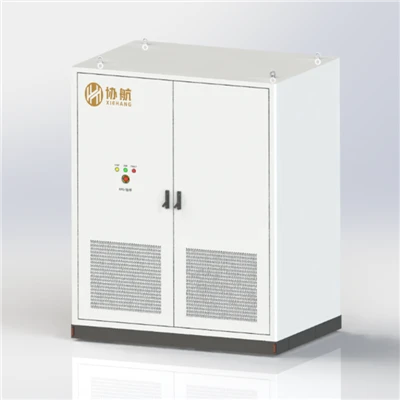
In the realm of Commercial and Industrial (C&I) energy management, energy storage systems have emerged as a pivotal solution for enhancing grid resilience, optimizing energy consumption, and reducing costs. As a seasoned C&I energy storage supplier, I’ve witnessed firsthand how the size of these systems can significantly impact their performance. This blog will delve into the multifaceted relationship between the size of a C&I energy storage system and its performance, exploring various technical, economic, and practical aspects. C&I Energy Storage
Technical Performance
Energy Capacity and Discharge Time
The most obvious aspect of a storage system’s size is its energy capacity, typically measured in kilowatt – hours (kWh). A larger energy capacity allows the system to store more electricity, which directly affects its discharge time. For example, in a C&I facility that experiences high – energy consumption during peak hours, a larger energy storage system can provide power for an extended period. Suppose a manufacturing plant has a high – power demand of 100 kW during peak hours. A 500 kWh energy storage system can supply power for 5 hours, while a 1000 kWh system can sustain the load for 10 hours. This extended discharge time offers greater flexibility in managing peak demand, reducing reliance on the grid during expensive peak periods, and potentially avoiding power interruptions.
Power Rating and Response Time
The power rating of an energy storage system, measured in kilowatts (kW), is another crucial factor related to its size. A larger system generally has a higher power rating, which means it can deliver more electricity at a faster rate. This is particularly important in scenarios where quick response is required, such as providing backup power during a grid outage. For instance, a large – scale data center needs to switch to backup power within milliseconds to avoid data loss. A high – power rated energy storage system can handle the sudden load transfer, ensuring the continuous operation of critical equipment. Moreover, a higher power rating enables the system to participate in frequency regulation services, as it can rapidly inject or absorb power to maintain grid stability.
Efficiency
The efficiency of an energy storage system is also influenced by its size. In general, larger systems tend to have higher efficiencies. This is because many of the ancillary losses in a storage system, such as those associated with power conversion and thermal management, have a fixed – component and a variable – component. As the size of the system increases, the fixed – component losses are spread over a larger energy throughput, resulting in a lower overall loss percentage. For example, a small – scale energy storage system with a power conversion efficiency of 90% may see its efficiency improve to 92% or 93% when the system size is increased significantly. Higher efficiency means less energy is wasted during charging and discharging cycles, translating to cost savings for the end – user.
Economic Performance
Cost per kWh
From an economic perspective, the size of a C&I energy storage system impacts the cost per kWh. Larger systems often benefit from economies of scale. The cost of manufacturing, installation, and maintenance per unit of energy storage capacity tends to decrease as the size of the system increases. For example, when purchasing battery cells in bulk for a large – scale energy storage project, suppliers can offer more favorable pricing. Additionally, the cost of installation labor and equipment is spread over a larger capacity, reducing the per – kWh cost. This makes larger energy storage systems more cost – effective in the long run, especially for C&I customers with high energy demands.
Return on Investment (ROI)
The size of the energy storage system also affects the return on investment. A larger system can potentially generate more revenue through various means, such as peak shaving, demand response, and participation in grid – balancing services. Peak shaving involves using the stored energy to reduce the peak demand from the grid, which can lead to significant savings on electricity bills. A larger system can shave more peak demand, resulting in greater savings. Similarly, in demand – response programs, larger systems can offer more substantial contributions to grid stability, and in return, receive higher compensation. These additional revenue streams, combined with the lower cost per kWh, can shorten the payback period and increase the ROI for C&I customers.
Payback Period
The payback period of an energy storage system is closely related to its size and performance. A well – sized system that is optimized for the specific energy needs of a C&I facility can achieve a shorter payback period. For example, if a company has a large and variable energy demand, a smaller system may not be sufficient to capture all the potential savings from peak shaving and demand response. On the other hand, an oversized system may incur unnecessary upfront costs without a corresponding increase in revenue. By carefully sizing the system based on the facility’s load profile, energy consumption patterns, and electricity tariff structure, the payback period can be minimized, making the investment more attractive to C&I customers.
Practical Considerations
Space Requirements
The physical size of a C&I energy storage system is an important practical consideration. Larger systems require more space for installation, which can be a challenge for some C&I facilities, especially those with limited real – estate. For example, a small – to – medium – sized manufacturing plant may not have enough floor space to accommodate a large – scale battery – based energy storage system. In such cases, innovative installation solutions, such as vertical stacking or the use of outdoor enclosures, may need to be explored. However, these solutions can also add to the overall cost and complexity of the project.
Integration with Existing Infrastructure
The size of the energy storage system also affects its integration with existing C&I infrastructure. A larger system may require more extensive modifications to the electrical distribution system, including upgrades to transformers, switchgear, and wiring. This can increase the installation time and cost. Moreover, larger systems may have more complex control and monitoring requirements to ensure seamless integration with the facility’s existing energy management systems. For example, a large energy storage system may need to communicate with multiple sub – systems within a manufacturing plant, such as the production line control systems, HVAC systems, and lighting controls.
Regulatory and Permitting
Regulatory and permitting processes can be more challenging for larger energy storage systems. Different regions have different regulations regarding the installation, operation, and safety of energy storage systems. Larger systems may be subject to more stringent requirements, such as environmental impact assessments and safety inspections. For example, a large – scale lithium – ion battery storage system may be required to meet specific fire – safety standards and obtain additional permits. These regulatory hurdles can add time and cost to the project, and suppliers need to be well – versed in the local regulations to ensure a smooth installation process.
Choosing the Right Size
Selecting the appropriate size of a C&I energy storage system is a complex decision that requires a comprehensive analysis of the customer’s energy needs, economic goals, and practical constraints. As a C&I energy storage supplier, I work closely with customers to understand their specific requirements. This involves conducting an in – depth energy audit of the facility, analyzing the load profile, and understanding the electricity tariff structure. Based on this analysis, we can design a customized energy storage solution that offers the optimal balance between performance, cost, and practical feasibility.
In some cases, a phased approach may be appropriate, where the system is initially sized to meet the most immediate needs and then expanded as the customer’s requirements change. This approach allows the customer to start realizing the benefits of energy storage quickly while avoiding the upfront costs associated with a large – scale system.
Conclusion
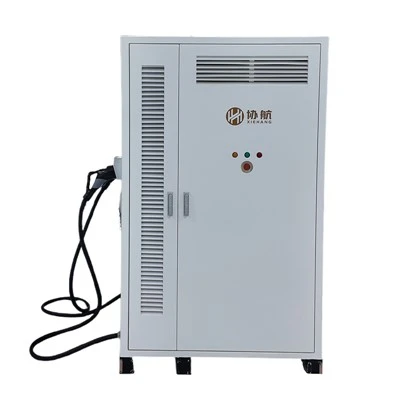
The size of a C&I energy storage system has a profound impact on its performance from technical, economic, and practical perspectives. While larger systems generally offer advantages in terms of energy capacity, power rating, efficiency, and cost – effectiveness, they also present challenges in terms of space requirements, integration, and regulation. As a C&I energy storage supplier, my role is to help customers navigate these complexities and make informed decisions about the size of their energy storage systems.
Portable Power Station If you are a C&I customer looking to optimize your energy management, reduce costs, and enhance grid resilience, I invite you to reach out to me for a personalized consultation. Together, we can design an energy storage solution that meets your specific needs and delivers the best possible performance.
References
- "Energy Storage for Commercial and Industrial Applications," published by the International Renewable Energy Agency (IRENA).
- "Cost – Benefit Analysis of Energy Storage Systems in C&I Sector," a research paper from the National Renewable Energy Laboratory (NREL).
- Industry reports on C&I energy storage market trends and technologies from leading research firms.
Zhejiang Xiehang New Energy Equipment Co., Ltd.
As one of the most professional c&i energy storage manufacturers and suppliers in China, our products have good reputation in the market. Please erst assured to wholesale custom made c&i energy storage from our factory. If you have any enquiry about cooperation, please feel free to email us.
Address: No.5 Hechen Road, Zhouwangmiao Town, Haining, Jiaxing City, Zhejiang Province, China
E-mail: dan.wu@xiehang.net
WebSite: https://www.shineonpower.com/
