If you’ve ever stood on a construction site or a manufacturing floor, watching a heavy load swing gently into place, you’ve probably seen chain slings hard at work. As someone who’s spent the last 12 years in the chain sling supply business—answering every question from new riggers who just earned their certification to seasoned site managers troubleshooting a tricky lift—I can tell you one thing: the question “Can a chain sling be used for lifting fragile loads?” is one I get at least once a week. And it’s not a yes-or-no answer, no matter what some online rigging forums might claim. Let’s break this down, because getting it right isn’t just about saving a load—it’s about keeping people safe and protecting the equipment that makes your business run. Chain Sling
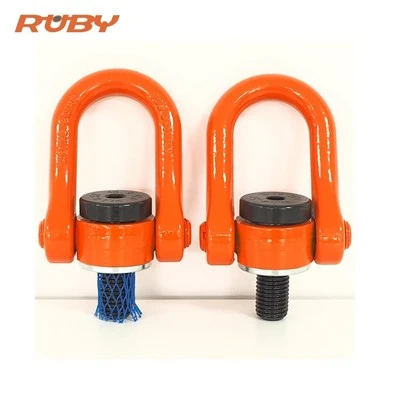
First, let’s talk about what people usually picture when they hear “chain sling.” Most folks think of big, thick steel links, rough edges, and a weight capacity that makes you double-check your math before even approaching a load. That’s the heavy-duty workhorse chain sling, the kind we supply for lifting steel beams, concrete blocks, and heavy machinery. When most people ask if it can lift fragile loads, they’re usually imagining that same thick, unforgiving chain scraping and denting whatever delicate cargo they’re trying to move—like glass panels, precision machine parts, or even large ceramic tiles for a high-end kitchen renovation. And yeah, if you use a standard heavy-duty chain sling the same way you would for lifting a 20,000-pound generator, you’re probably going to damage that fragile load. But here’s the thing: not all chain slings are created equal. For years, I’ve worked with engineers to develop custom, load-specific chain slings that are designed for fragile applications, and it’s changed how my clients approach delicate lifts entirely.
Let’s get into the science of why chain slings get a bad rap for fragile loads, because it’s not the chain itself—it’s the way it’s applied. Chain slings distribute weight along their entire length, right? Unlike wire rope slings, which have thin, flexible strands that can dig into soft materials, or synthetic slings, which stretch slightly under load, a high-quality alloy steel chain sling has consistent, controlled strength and very low elongation (that means it barely moves when under weight). But that same rigidity that makes it perfect for heavy loads is what makes it a risk if you don’t add the right buffer. I remember a time about eight years ago, a client called us panicking because they’d damaged a set of custom glass skylight panels trying to lift them with a standard 3/8-inch chain sling. They’d wrapped the chain directly around the edge of the panel, and the sharp link edges left permanent gouges that cost them $12,000 in replacement fees. That’s when we started testing custom padding for our chain slings—thick, wear-resistant rubber sleeves that fit over each link, so there’s no hard metal making contact with the load. We also started designing custom choker slings with wider bearing points, so the weight of the load isn’t concentrated on a small area.
Another key point: load capacity matching. A lot of new riggers, or even experienced ones working on a new type of job, will grab a chain sling rated for more weight than they need, assuming “bigger is better.” But for fragile loads, that’s the opposite of what you want. If you have a 500-pound fragile load, using a chain sling rated for 10,000 pounds means the links will be under very little tension, which can cause them to shift or twist while lifting—leading to uneven weight distribution and potential damage. We recently worked with a company that manufactures precision medical equipment, lifting custom stainless steel parts for MRI machines. They were using a 2,000-pound rated chain sling for a 300-pound load, and the light tension made the chain twist mid-lift, scratching the smooth, precision surfaces of the parts. Once we switched them to a 500-pound rated chain sling, matched exactly to their load weight, the problem stopped. The lower-rated chain has smaller links, tighter spacing, and less flexibility when under load, so it stays steady and doesn’t shift.
Wait, but what about edge protection? Even with padding and the right load rating, fragile loads often have sharp edges or thin points that can still get damaged. That’s where custom basket slings come in. A basket sling means the chain goes under the load and back up to the lifting hook, creating a wider, more even distribution of weight. For example, when we lifted a set of 12-foot long tempered glass panels last year, we used a custom four-legged basket chain sling with each link padded with neoprene sleeves, and we added heavy-duty felt strips along the bottom of the sling where it touched the glass. The glass panels weighed 1,200 pounds total, so we used four 300-pound rated chain legs, each spaced evenly to make sure no single point of the glass had more than 300 pounds of pressure on it. The job went perfectly, no scratches, no cracks, and the client came back three months later to order 12 more sets for a new building project.
I know some of you are thinking, “What about synthetic slings? Aren’t those better for fragile loads?” And yeah, synthetic slings have their place—they’re flexible, easy to handle, and don’t scratch surfaces. But they also have downsides for a lot of businesses. Synthetic slings can be damaged by sharp edges, chemical exposure, or UV light, which means they need to be replaced more often than chain slings. Chain slings, on the other hand, are nearly indestructible when cared for properly—we’ve had clients use our chain slings for 15 years, even in harsh environments like shipyards or construction sites with falling debris. For fragile loads, a chain sling is actually more reliable long-term because you can inspect it for damage every time you use it (chain links stretch, crack, or wear in ways that are easy to spot, whereas synthetic slings can have internal damage you can’t see). As someone who’s seen a lot of load failures over the years, being able to visually inspect your lifting gear before every lift is a huge safety and quality advantage.
Let’s talk about common myths that I hear all the time. One myth is that chain slings are too heavy to use for fragile loads, but with custom lightweight alloy chain slings, you can cut the weight of the sling itself by 40% compared to standard carbon steel chains. That means you’re not adding unnecessary weight to the load, which reduces the risk of tipping or damage. Another myth is that chain slings can’t be adjusted for different load sizes, but modern chain slings come with adjustable length fittings (like grab hooks or adjustment clamps) so you can customize the fit for any size fragile load, from small ceramic fixtures to large architectural pieces.
Last year, we worked with a historic restoration company that needed to lift a 2,500-pound marble cornice for a 100-year-old building. The cornice was extremely fragile— it had cracks from age, and the edges were thin and prone to chipping. The restoration team had tried using synthetic slings, but the cornice’s sharp edges tore through the synthetic material, and the sling stretched, causing the cornice to tilt. We designed a custom chain sling with six padded legs, each with a separate load rating that matched the exact weight of each section of the cornice (we calculated the weight of each segment using 3D scanning of the cornice). We also added custom hard rubber edge protectors that fit over the thin marble edges, so the chain never touched the stone directly. The lift went off without a hitch, and the cornice was installed perfectly. The restoration team told us later that the chain sling was the only thing that could have lifted the marble without damaging it, because the synthetic slings had failed twice on test lifts.
So, to circle back to the original question: Can a chain sling be used for lifting fragile loads? The answer is a resounding yes—but only if you use the right chain sling for the job. It’s not about grabbing any old chain sling and hoping for the best. It’s about working with a supplier who understands the unique needs of fragile loads, who can customize the sling’s design, load rating, and padding to fit your specific application, and who can guide you through the proper setup and inspection of the sling. At the end of the day, the best lifting solution is the one that’s safe for your workers, protects your load, and lasts for years.
If you’re working on a project that involves lifting fragile loads and you’re not sure what the best solution is, don’t guess—reach out to our team to discuss your requirements. We’ve worked with clients across industries, from manufacturing to historic restoration, to develop custom chain sling solutions that meet even the most delicate lift needs. Don’t risk damaging your load or endangering your team by using the wrong lifting equipment—let’s talk through your project and find the right chain sling solution for you.
Chain Sling References
- Occupational Safety and Health Administration (OSHA). (2023). Rigging Equipment for Material Handling. U.S. Department of Labor.
- American Society of Mechanical Engineers (ASME). (2022). Standard for Chain Slings, Part B30.9.
- National Association of Chain Manufacturers (NACM). (2021). Best Practices for Lifting Fragile Loads with Alloy Steel Chain Slings.
- International Organization for Standardization (ISO). (2020). Lifting Gear – Chain Slings – Safety, ISO 10617.
Hangzhou Ruby Imp. & Exp. Co., Ltd.
As one of the most experienced chain sling manufacturers and suppliers in China, we offer a wide range of products with superior quality. We warmly welcome you to wholesale custom made chain sling at competitive price from our factory.
Address: Taoyuan Industrial Park, Puyang Town, Xiaoshan, Hangzhou, Zhejiang, China.
E-mail: Sales5@z2lifting.com
WebSite: https://www.rubylifting.com/
