Hey there, if you’re reading this, chances are you’ve got a guanidines-based product (or you’re thinking about sourcing some) and you’re low-key stressing over whether you’re storing it right. As a guanidines supplier who’s been in the game for over a decade, I’ve seen it all: clients tucking guanidine carbonate next to a window that gets afternoon sun, others shoving guanidine hydrochloride in a damp basement, and one guy even tried tossing a half-unopened drum in his back shed during a Midwest winter. Spoiler: none of those worked out super well. Today, let’s cut through the jargon and talk about exactly how to store guanidines the right way—no stuffy lab manuals, just real-world stuff I’ve learned from helping thousands of customers keep their product intact. Guanidines
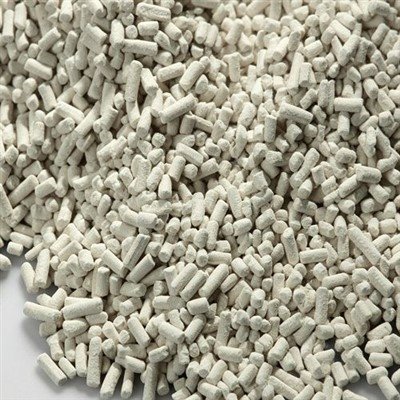
First, let’s get one basic fact straight: guanidines aren’t a one-size-fits-all chemical. The term “guanidines” covers a whole family of compounds, right? Guanidine carbonate, guanidine hydrochloride, guanidine nitrate, biguanides—all these share that core guanidine functional group, but each has its own quirks. That means storage isn’t universal, but there are core rules that apply to nearly all of ’em, and I’ll call out where different compounds vary as we go.
Let’s start with the big one most people mess up: temperature. Wait, not just cold or hot—stable temperature. I can’t tell you how many times I’ve gotten a call from a customer saying, “My guanidine hydrochloride turned clumpy for no reason!” Nine times out of ten, it’s because their warehouse swings from 40°F at night to 85°F during the day, or they stored it near a loading dock that blasts cold air in winter and hot truck exhaust in summer. Guanidines, especially the common salts like guanidine HCl, are hygroscopic—they suck moisture right out of the air. When temperature jumps around, the air’s humidity level fluctuates too, so you get that cycle of absorbing water when it’s warm and condensing it when it’s cool, which leads to caking, degradation, or even microbial growth if it’s in a dry blend or fertilizer product (super common uses for these compounds).
So what’s the sweet spot? For most commercial guanidines, I recommend a consistent 50°F to 77°F (10°C to 25°C). That’s not a random number—It’s the standard storage temp we follow at our facility, and our tech team back it up with data from the American Chemical Society’s (ACS) guidelines for industrial chemicals. Avoid anything below freezing, too—we’ve seen guanidine nitrate formulations crack when frozen repeatedly, which compromises their structural integrity if you’re using them in explosives or pharmaceutical intermediates. And definitely don’t store them above 100°F (38°C) for long periods. Guanidine carbonate, for example, starts to slowly decompose at temps over 120°F (49°C) — it breaks down into urea and ammonia, which makes it less effective for your end use (say, making plastic stabilizers or pharmaceuticals). Pro tip: If you’re storing bulk drums, don’t put them on concrete floors, which hold temperature swings. Use pallets to lift them 6 inches off the ground, and line the pallet area with insulation if your warehouse is prone to extreme temps.
Next up: humidity. This is the second biggest culprit of bad guanidine storage. Like I said earlier, hygroscopicity is the name of the game here. Guanidine HCl can absorb up to 17% of its weight in water when exposed to high humidity (above 65% RH, or relative humidity) for just a few days. That might not sound like a big deal, but if you’re using it as a raw material for a fertilizer that needs a specific nitrogen content, that extra water cuts your nitrogen percentage way below what you paid for. For pharmaceutical grade guanidines, even a tiny bit of moisture can trigger hydrolysis, leading to impurities that fail FDA purity tests—something that cost one of our regular customers $20k in rejected batches last year because they skipped moisture barriers on their pallets.
So what do you need to control humidity? First, if you’re working with fine guanidine powders, make sure your packaging is airtight and moisture-proof. Our standard bulk drums for industrial grade guanidines come with a polyethylene liner and a tight, gasketed lid, which is non-negotiable for shipping and storage. For smaller quantities, resealable plastic bags or metal containers work way better than flimsy paper bags (those are just asking for moisture to get in). Second, if you have a dedicated storage room, invest in a dehumidifier that keeps RH between 30% and 50% for most grades. If you’re storing in a space that can’t have a big dehumidifier, use desiccants—silica gel packs or molecular sieve bags, which we sell as add-ons for our customers who need extra protection for sensitive batches. One thing to note: biguanides (another common guanidine group, used in disinfectants like chlorhexidine) are actually less hygroscopic than the simple guanidine salts, but they’re still sensitive to high humidity, especially in liquid formulations. So even for disinfectant guanidines, don’t leave open containers out in a steamy garage.
Then there’s light and air exposure. Wait, do guanidines react to light? For most solid guanidine salts, not super badly, but if they’re in liquid form or have impurities from manufacturing, UV light can speed up degradation. We had a customer once store a batch of liquid guanidine hydrochloride in clear plastic barrels outside, and after a month, the solution turned yellow—something you never want if you’re using it as a raw material for a cosmetic or personal care product, where color consistency is key. So store guanidines away from direct sunlight or any intense artificial light (like warehouse bay lights that are on 24/7). Keep containers sealed when not in use, too—oxygen can cause oxidation in some guanidine compounds, especially organic guanidines like guanylurea, which is used in rubber processing. If you’ve got a half-empty drum that you won’t finish for a while, squeeze as much air out as you can before resealing, or transfer the remaining product to a smaller container that fits the exact amount, so there’s less empty space for air.
Now, let’s talk about cross-contamination. This is a mistake that a lot of new guys make, especially if they store multiple chemicals in the same space. Guanidines are alkaline, right? They have a high pH, so if you store them near acidic chemicals (like sulfuric acid or citric acid), even if they’re in sealed containers, fumes from the acid can get into the guanidine packaging and react. Guanidine will react with acids to form salts, which changes its chemical properties—if you’re using guanidine as a catalyst for a chemical reaction, that cross-reaction can throw off your entire batch. We also recommend not storing guanidines near toxic or reactive chemicals, because guanidine can sometimes absorb those fumes, making it unsafe for use in food or pharmaceutical applications. Our storage facility segregates guanidines in a dedicated section, far from acids, solvents, and heavy metals, and we label every drum with clear “Guanidine, Keep Away From Acids” signs—small steps that prevent big headaches.
Wait, what about specific use cases? I know a lot of you are storing guanidines for very different things, so let’s break down a couple common ones to make this practical. If you’re a fertilizer manufacturer using guanidine as a nitrogen-rich additive: you can store it at up to 80°F (27°C), but keep RH below 60% because you don’t want the powder to cake so bad you can’t feed it into your mixing equipment. For pharmaceutical grade guanidine carbonate, which needs to meet USP standards: you have to follow stricter rules—storage between 59°F and 77°F (15°C and 25°C), RH below 45%, and sealed in airtight containers, because even 0.5% extra moisture will fail the USP moisture test. For liquid guanidine disinfectants, the best storage is cool, dark cabinets, and don’t leave them open for more than a few minutes at a time, because they can lose effectiveness if exposed to too much air or heat.
Another thing I get asked all the time: how long can you store guanidines before they go bad? Solid, industrial grade guanidines have a shelf life of about 2 years if stored correctly, right from the date of manufacture. Liquid formulations are shorter, about 6 to 12 months, depending on the type. But that’s if you’re following the storage rules we just talked about. If you store them wrong, you might notice signs of degradation way sooner: caking, discoloration, a strong ammonia smell (that’s the decomposition I mentioned earlier), or a drop in purity when you test it. If you see any of those, don’t use the product—send it back to your supplier, or dispose of it properly according to local hazardous waste rules.
Wait, let’s add a few pro tips from our team that we’ve picked up over the years, because I hate when people cut corners. First, label every single container clearly with the grade, manufacture date, and storage requirements—no “miscellaneous chemicals” buckets, that’s how accidents happen. Second, rotate your stock: use older batches first, so you don’t have product sitting around past its shelf life. Third, if you’re storing guanidines in a cold climate during winter, don’t leave drums outside overnight—even if they say they’re freeze-resistant, repeated freeze-thaw cycles can damage the packaging and let moisture or air in. Fourth, if you have any doubt about your storage space, reach out to your supplier’s tech team—we’re happy to help, no question is too small. I’ve had customers send us photos of their storage room, and we’ve helped them tweak things like adding a dehumidifier or rearranging their pallet stacks, and they saved thousands in wasted product.

At the end of the day, storing guanidines right isn’t rocket science, but it’s non-negotiable if you want your product to work as intended. Bad storage doesn’t just waste money—It can mess up your end product, lead to failed tests, or even create safety hazards. As a guanidines supplier who’s been doing this for years, I’m here to make this part easy for you. If you’re sourcing guanidines for your next project, or you have questions about storing the ones you already have, hit us up to chat. We can walk you through storage tips specific to your grade, answer any technical questions, or help you get the right product for your needs. Don’t let bad storage ruin your batch—let’s get this right together.
Thiurams References
- American Chemical Society. (2019). Storage Guidelines for Industrial Inorganic and Organic Chemicals. ACS Press.
- Global Harmonized System (GHS). (2020). Safety Data Sheet for Guanidine Salts, 5th ed. United Nations Economic Commission for Europe.
- USP-NF. (2022). General Chapter <1073> Pharmaceutical Excipients Storage and Stability. United States Pharmacopeial Convention.
- Van Krevelen, D. W., & Te Nijenhuis, K. (2009). Properties of Polymers: Their Correlation with Chemical Structure; Their Numerical Estimation and Prediction from Additive Group Contributions. Elsevier.
Heze Great Bridge Chemical Co., Ltd.
With abundant experience, we are one of the most professional guanidines manufacturers and suppliers in China. We warmly welcome you to buy high quality guanidines in stock here and get pricelist from our factory. Good service and reasonable price are available.
Address: No.1679 Renmin Road,Heze City,Shandong,China
E-mail: export@greatbridge-chem.com
WebSite: https://www.greatbridgechem.com/
