Hey there! I’m a supplier of ultrasonic cleaning machines for rollers, and I often get asked about how long it takes to clean rollers in these machines. It’s a great question, and the answer isn’t as straightforward as you might think. In this blog, I’ll break down the factors that influence cleaning time and give you a better idea of what to expect. Ultrasonic Cleaning Machine For Rollers
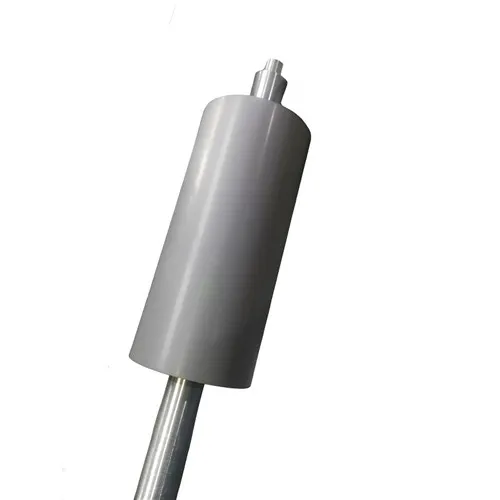
Factors Affecting Cleaning Time
1. Roller Size and Material
The size and material of the roller play a huge role in determining the cleaning time. Larger rollers obviously have more surface area to clean, so they’ll take longer. For example, a small, lightweight plastic roller might only need 10 – 15 minutes in the ultrasonic cleaner, while a big, heavy metal roller could take an hour or more.
Different materials also react differently to the ultrasonic cleaning process. Some materials, like stainless steel, are pretty tough and can withstand a longer cleaning cycle without getting damaged. On the other hand, softer materials like rubber or certain plastics might need a shorter cleaning time to avoid any potential damage.
2. Degree of Contamination
How dirty the rollers are is another major factor. If the rollers have just a light layer of dust or debris, they’ll clean up much faster than rollers that are caked with grease, oil, or other stubborn contaminants. For lightly soiled rollers, a 20 – 30 – minute cleaning session might be enough. But for heavily contaminated rollers, you might need to run the cleaning cycle two or three times, with each cycle lasting 45 minutes to an hour.
3. Ultrasonic Cleaner Power
The power of the ultrasonic cleaner matters too. Higher – power cleaners can generate more intense ultrasonic waves, which means they can break down and remove contaminants more quickly. A low – power ultrasonic cleaner might take 45 minutes to an hour to clean a moderately dirty roller, while a high – power one could do the same job in 20 – 30 minutes.
4. Cleaning Solution
The type of cleaning solution you use can also affect the cleaning time. Some cleaning solutions are specifically formulated to target certain types of contaminants. For example, if your rollers are covered in oil, using an oil – dissolving cleaning solution will speed up the cleaning process. You should always follow the manufacturer’s instructions when choosing a cleaning solution, as using the wrong one could damage the rollers or the ultrasonic cleaner itself.
General Cleaning Time Guidelines
Based on my experience as a supplier, here are some general guidelines for cleaning different types of rollers in an ultrasonic cleaning machine:
Lightly Soiled Rollers
- Small plastic rollers: 10 – 15 minutes
- Small metal rollers: 15 – 20 minutes
- Medium – sized plastic rollers: 20 – 30 minutes
- Medium – sized metal rollers: 30 – 45 minutes
Moderately Soiled Rollers
- Small plastic rollers: 20 – 30 minutes
- Small metal rollers: 30 – 45 minutes
- Medium – sized plastic rollers: 30 – 45 minutes
- Medium – sized metal rollers: 45 minutes – 1 hour
Heavily Soiled Rollers
- Small plastic rollers: 30 – 45 minutes (possibly multiple cycles)
- Small metal rollers: 45 minutes – 1.5 hours (possibly multiple cycles)
- Medium – sized plastic rollers: 45 minutes – 1.5 hours (possibly multiple cycles)
- Medium – sized metal rollers: 1 – 2 hours (possibly multiple cycles)
Keep in mind that these are just rough estimates. You might need to adjust the cleaning time based on the specific conditions of your rollers and the capabilities of your ultrasonic cleaner.
Tips to Reduce Cleaning Time
If you’re looking to cut down on the cleaning time, here are some tips:
Pre – Clean the Rollers
Before putting the rollers in the ultrasonic cleaner, give them a quick wipe or rinse to remove any loose debris. This can significantly reduce the amount of time the ultrasonic cleaner needs to work.
Use the Right Cleaning Solution
As I mentioned earlier, using the right cleaning solution can make a big difference. Make sure you choose a solution that’s appropriate for the type of contaminants on your rollers.
Optimize the Cleaner Settings
Most ultrasonic cleaners allow you to adjust the power and cleaning time. Experiment with different settings to find the combination that works best for your rollers. You might be able to get a good clean in a shorter amount of time by increasing the power slightly.
Conclusion
So, there you have it! The cleaning time for rollers in an ultrasonic cleaning machine depends on several factors, including roller size and material, degree of contamination, cleaner power, and cleaning solution. By understanding these factors and following the tips I’ve shared, you can get your rollers clean in the most efficient way possible.
Anilox Sleeve If you’re in the market for an ultrasonic cleaning machine for your rollers, I’d love to help. We’ve got a great range of machines that are designed to handle different types of rollers and cleaning requirements. Whether you’re a small business or a large industrial operation, we’ve got a solution for you. Just reach out, and we can start a conversation about your needs and how our machines can meet them.
References
- "Ultrasonic Cleaning Technology Handbook", Industry Publishing Group
- "Materials and Their Reactions in Ultrasonic Cleaning", Science Research Institute Press
Address: No. 1093, B Zone, No. 2 Xugongqiao Rd, Huaqiao Town, Kunshan City, Suzhou, Jiangsu, China
E-mail: info@kshhroller.com
WebSite: https://www.kshh-roller.com/
