Brewing is a craft that marries science and art, and the right auxiliary equipment is crucial for achieving the perfect batch of beer. As a seasoned supplier of brewing auxiliary equipment, I often get asked about how much space is needed to install this essential gear. It’s a fair question, as the spatial requirements can vary significantly depending on several factors. In this blog post, I’ll delve into those factors and provide guidance to help you plan your brewing setup effectively. Brewing Auxiliary Equipment
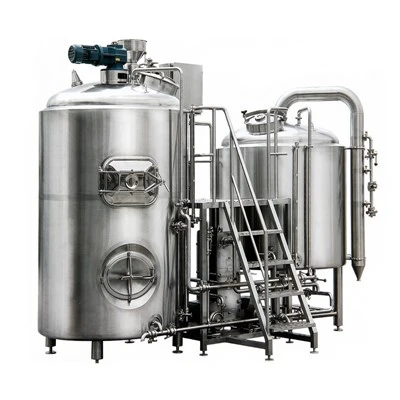
Size and Type of Equipment
The most obvious factor influencing the space needed for brewing auxiliary equipment is the size and type of the equipment itself. Brewing auxiliary equipment encompasses a wide range of items, from simple pumps and filters to complex fermentation control systems and large storage tanks.
For example, a small, single – stage pump used for transferring wort or beer between vessels may only require a few square feet of floor space. These pumps are often portable and can be mounted on a small platform near the brewing vessels. On the other hand, a large, multi – stage centrifugal pump designed for high – volume operations will be bulkier and need more room not only for the pump itself but also for access to its components for maintenance and repair.
Fermentation vessels are another significant space – consumer. Conical fermenters, which are popular in many breweries, come in various sizes, from small home – brewing models that can fit on a countertop to industrial – scale units that stand several meters tall. A typical 10 – barrel conical fermenter might require a floor space of around 3 – 4 square meters, considering the clearance needed around it for cleaning, sampling, and monitoring.
Filtration systems also vary in size. A basic plate – and – frame filter could be relatively compact, while a large, high – performance diatomaceous earth filter with multiple cartridges and associated piping will demand a substantial amount of space.
Operational Requirements
Beyond the physical dimensions of the equipment, the operational requirements also play a vital role in determining the space needed. For instance, if you need to move the equipment around regularly for cleaning or maintenance, you’ll need to factor in clear paths and turning radii.
Some brewing auxiliary equipment, such as hop back systems or grain mills, generate a significant amount of debris during operation. Adequate space should be allocated for collecting and disposing of this waste. A grain mill might require an area underneath to collect spent grains, and if there’s no immediate disposal method, additional storage space for these grains could be necessary.
In the case of equipment that requires extensive wiring or plumbing, space must be set aside for routing these connections. For example, a glycol chiller used for temperature control in fermentation vessels will need a dedicated area for glycol lines and electrical connections. These lines should be installed in a way that allows for easy inspection and maintenance, which means keeping a certain amount of clearance around the equipment and along the routing paths.
Safety Clearances
Safety is of utmost importance in any brewing operation. Safety clearances are required around all brewing auxiliary equipment to prevent accidents and ensure easy access in case of emergencies.
Electrical equipment, such as motors and control panels, should have sufficient clearance to avoid overheating and to allow safe access for maintenance personnel. A general rule of thumb is to maintain at least 0.5 – 1 meter of clearance around electrical components.
Flammable or hazardous materials, like certain cleaning chemicals or solvents used in equipment maintenance, should be stored in a separate area with proper ventilation and fire – prevention measures. This storage area needs to be a safe distance away from the brewing equipment and other heat sources.
In addition, there should be enough space for emergency exits and evacuation routes. In a brewery setting, where equipment is often large and complex, it’s essential to make sure that employees can quickly and safely leave the area in case of a fire, explosion, or other emergency.
Future Expansion
It’s always a good idea to plan for future expansion when determining the space needed for brewing auxiliary equipment. As your brewery grows, you may want to add more equipment, increase production capacity, or introduce new brewing processes.
When setting up your initial brewing system, leave some extra space around the existing equipment. This will allow you to add new pumps, filters, or fermentation vessels without having to completely reconfigure the layout. For example, if you start with two fermentation vessels but anticipate adding more in the future, plan the layout so that there’s room for additional vessels to be installed in a logical and efficient manner.
Consider the scalability of your equipment and the overall brewing setup. Some equipment can be easily expanded or upgraded, while others may require a more significant overhaul. By factoring in future expansion from the start, you can avoid costly and time – consuming renovations down the line.
Layout and Configuration
The way you arrange your brewing auxiliary equipment can also have a significant impact on the space required. A well – thought – out layout can optimize the use of space and improve the efficiency of your brewing operations.
For example, grouping related equipment together can reduce the amount of piping and wiring needed, as well as the distance that materials need to be transported. You could group all the pumps and valves together in one area close to the brewing vessels, which makes it easier to operate and maintain the equipment.
Another consideration is the workflow within the brewery. The layout should be designed to minimize the movement of employees and materials. For instance, if the process involves transferring wort from a mash tun to a boiler and then to a fermentation vessel, the equipment should be arranged in a way that allows for a smooth and seamless transfer.
Calculating the Space
To calculate the space needed for your brewing auxiliary equipment, start by making a list of all the equipment you plan to install. Note down the dimensions of each piece of equipment, including any required clearance for operation, maintenance, and safety.
Draw a rough sketch of your brewery space and mark out the areas where each piece of equipment will be located. Consider the operational requirements, such as the need for access paths, waste disposal areas, and wiring and plumbing routes.
If you’re unsure about the exact space requirements or how to optimize the layout, it may be worth consulting with a professional brewery designer or engineer. They can provide valuable insights based on their experience and help you create a layout that meets your specific needs.
Conclusion
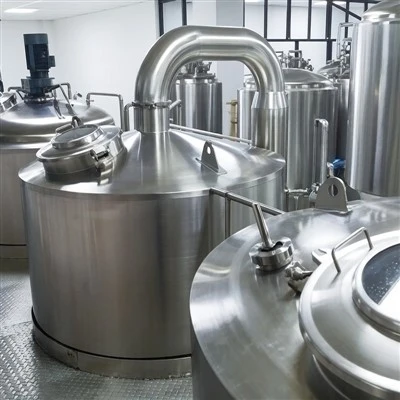
Determining how much space is needed to install brewing auxiliary equipment is a complex but crucial task. It involves considering the size and type of equipment, operational requirements, safety clearances, future expansion, and layout configuration. By carefully planning the space for your brewing equipment, you can ensure a smooth and efficient brewing operation, as well as a safe and comfortable working environment for your employees.
Scale Beer Equipment If you’re in the process of setting up a new brewery or looking to upgrade your existing brewing system, I’d be more than happy to assist you. Our company offers a wide range of high – quality brewing auxiliary equipment, and we can provide expert advice on space planning and equipment selection. Contact us to start a conversation about your brewing needs and let’s work together to create the perfect brewing setup for you.
References
- Bamforth, C. W. (2003). Beer: Tap into the Art and Science of Brewing. CRC Press.
- Fix, G., & Fix, L. (1999). An Analysis of Brewing Systems. Brewers Publications.
- Priest, F. G., & Campbell, I. (2003). Brewing: Science and Practice. Springer.
Wenzhou Jinggong Machinery Equipment Co., Ltd.
We are one of the most professional brewing auxiliary equipment manufacturers and suppliers in China. With abundant experience, we warmly welcome you to buy customized brewing auxiliary equipment at competitive price from our factory. If you have any enquiry about quotation, please feel free to email us.
Address: No.Jiadi Industrial Zone, Yaoxi Town, Longwan District, Wenzhou City, China.
E-mail: jinggong2026@163.com
WebSite: https://www.jg-ind.com/
