Curved laminated glass is a remarkable architectural material that combines the aesthetic appeal of curved shapes with the safety and security features of laminated glass. As a supplier of curved laminated glass, I am often asked about the manufacturing process. In this blog post, I will take you through the detailed steps involved in making this innovative glass product. Curved Laminated Glass
Understanding the Basics of Curved Laminated Glass
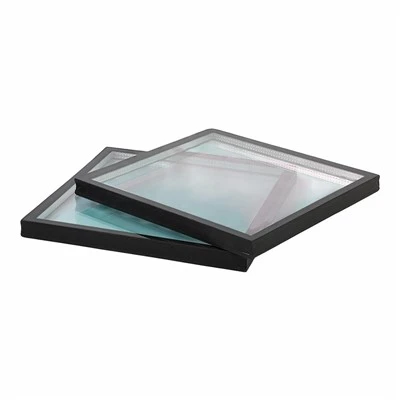
Before delving into the manufacturing process, let’s understand what curved laminated glass is. Laminated glass consists of two or more layers of glass bonded together with an interlayer, typically made of polyvinyl butyral (PVB). This interlayer holds the glass together even when it breaks, preventing shards from dispersing and posing a danger to people. When this laminated structure is formed into a curved shape, it results in curved laminated glass. This type of glass is widely used in modern architecture for applications such as facades, skylights, and interior partitions, adding a touch of elegance while ensuring safety.
Step 1: Glass Selection
The first step in making curved laminated glass is selecting the right type and quality of glass. The most commonly used glasses are float glass, which is produced by floating molten glass on a bed of molten tin, resulting in a smooth and uniform surface. The thickness of the glass depends on the specific requirements of the project, such as the curvature radius, the size of the glass panel, and the load it needs to bear.
When choosing the glass, we also consider its clarity, color, and any additional features such as low – iron content for enhanced transparency or tinted glass for solar control. We source our glass from trusted suppliers who adhere to strict quality standards to ensure the best starting material for our curved laminated glass.
Step 2: Cutting and Edging
Once the glass is selected, it is cut into the desired size and shape. This is done using advanced cutting machines equipped with diamond – tipped blades. The cutting process requires precision to ensure that the glass panels fit the project specifications accurately.
After cutting, the edges of the glass panels are carefully edged. Edging serves two main purposes: it removes any sharp edges that could pose a safety hazard during handling and installation, and it strengthens the edges of the glass, reducing the risk of breakage. Different edge finishes can be achieved, such as a polished edge for a smooth and elegant look or a beveled edge for added decoration.
Step 3: Curving the Glass
Curving the glass is one of the most critical and complex steps in the manufacturing process. There are several methods for curving glass, but the most common one for our curved laminated glass production is the gravity bending method.
In the gravity bending process, the flat glass panels are placed on a mold with the desired curvature. The mold is usually made of heat – resistant materials such as ceramic or stainless steel. The glass and the mold are then placed in a special furnace, which is heated to a temperature between 600°C and 700°C. At this temperature, the glass becomes soft and malleable, and it gradually sags under its own weight, conforming to the shape of the mold.
The heating process must be carefully controlled to ensure an even distribution of heat across the glass panel. This is crucial to prevent any local overheating or underheating, which could result in uneven curvature or stress within the glass. Once the glass has achieved the desired curvature, the furnace is slowly cooled down to room temperature. This controlled cooling process, known as annealing, relieves the internal stresses in the glass, making it stronger and more stable.
Step 4: Cleaning and Preparing the Glass Layers
After the glass has been curved, the individual layers need to be thoroughly cleaned. Any dirt, dust, or grease on the glass surface can prevent proper bonding with the interlayer. The cleaning process typically involves using a combination of water, detergents, and brushes to remove all contaminants.
Once the glass is clean, it is dried using compressed air or a drying oven. This ensures that the surface is completely dry and free of moisture before the lamination process begins.
Step 5: Inserting the Interlayer
The next step is to insert the interlayer between the curved glass layers. As mentioned earlier, the most commonly used interlayer material is PVB. PVB interlayers come in different thicknesses, and the appropriate thickness is selected based on the requirements of the project.
The PVB interlayer is carefully cut to match the size and shape of the glass panels. It is then placed between the two curved glass layers, ensuring that there are no air bubbles or wrinkles. This is a delicate process that requires skilled workers to handle the interlayer and the glass panels with care.
Step 6: Lamination Process
The glass panels with the inserted interlayer are then ready for the lamination process. There are two main methods for laminating curved glass: autoclaving and vacuum bagging.
- Autoclaving: This is the most widely used method for high – quality curved laminated glass production. The glass panels with the interlayer are placed in a rubber bag and sealed. The air is then removed from the bag, creating a vacuum. This helps to remove any remaining air bubbles between the glass and the interlayer.
The vacuum – sealed glass panels are then placed in an autoclave, which is a large pressure vessel. Inside the autoclave, the glass panels are subjected to high temperature (around 130°C – 140°C) and high pressure (around 10 – 13 bar). Under these conditions, the PVB interlayer softens and bonds tightly with the glass layers, creating a strong and durable laminated structure. - Vacuum Bagging: This method is a simpler alternative to autoclaving, especially for smaller – scale production or less critical applications. In vacuum bagging, the glass panels with the interlayer are placed in a vacuum bag, and the air is removed using a vacuum pump. The bag is then heated in an oven to soften the PVB interlayer and achieve the bond. However, this method may not provide the same level of quality and consistency as autoclaving.
Step 7: Quality Control
Once the lamination process is complete, the curved laminated glass panels undergo a rigorous quality control process. This includes visual inspections to check for any visible defects such as air bubbles, scratches, or discoloration. The panels are also tested for their optical properties, such as clarity and distortion, to ensure that they meet the required standards.
In addition, the curved laminated glass is tested for its safety performance. This may involve impact tests, where the glass is subjected to a specified impact force to simulate real – life scenarios. The glass must pass these tests to be approved for use in architectural applications.
Step 8: Packaging and Shipping
After passing the quality control tests, the curved laminated glass panels are carefully packaged to protect them during transportation. The panels are usually wrapped in protective materials such as foam, paper, or plastic, and then placed in wooden crates or pallets.
We take great care in ensuring that the packaging is sturdy enough to withstand the rigors of shipping. We also work with reliable logistics partners to ensure that the glass panels are delivered to our customers in a timely and safe manner.
Why Choose Our Curved Laminated Glass?
As a leading supplier of curved laminated glass, we pride ourselves on our commitment to quality and innovation. Our manufacturing process is based on the latest technology and industry best practices, ensuring that every piece of curved laminated glass we produce meets the highest standards.
We offer a wide range of customization options, including different glass types, thicknesses, curvatures, and interlayer materials. This allows our customers to choose the best curved laminated glass for their specific architectural or design requirements.
In addition, our team of experienced professionals is always available to provide technical support and advice. Whether you are an architect, a contractor, or a building owner, we can help you select the right curved laminated glass for your project and ensure a smooth installation process.
Contact Us for Your Curved Laminated Glass Needs
Laminated Glass If you are interested in purchasing curved laminated glass for your next project, we would love to hear from you. Our team is ready to discuss your requirements, provide detailed product information, and offer competitive pricing. Contact us today to start the conversation and explore how our curved laminated glass can enhance your project.
References
- ASTM International Standards on Glass Testing and Quality Control
- Glass Association of North America (GANA) Publications on Glass Manufacturing and Applications
- Technical Papers on Laminated Glass Production by Industry Research Institutions
Suzhou Dingcheng Tempered Glass Co., Ltd.
As one of the most professional curved laminated glass manufacturers and suppliers in China, we also support customized service. We warmly welcome you to wholesale high quality curved laminated glass made in China here from our factory. If you have any enquiry about free sample, please feel free to email us.
Address: No.777 Limin North Road, Lili Town, Wujiang District, Suzhou City, Jiangsu Province
E-mail: Dingchengglass@163.com
WebSite: https://www.dingchengglass.com/
