Hey there, if you’re running a startup, you’re already swimming in a million tiny, overwhelming decisions—from figuring out if your product actually solves a real problem to negotiating that first office lease. And one of the early picks that’ll shape how your team works (and how much cash you blow) is picking office furniture. Trust me, I’ve been on both sides: I was at a scrappy startup where we hacked together folding chairs and a rickety conference table from the street for 6 months, and now I’m part of a team that helps startups pick furniture that doesn’t make employees want to call in “back pain” every Monday. No stuffy industry jargon here, just real talk that’s actually useful for someone who’s still trying to keep monthly burn low. Office Furniture
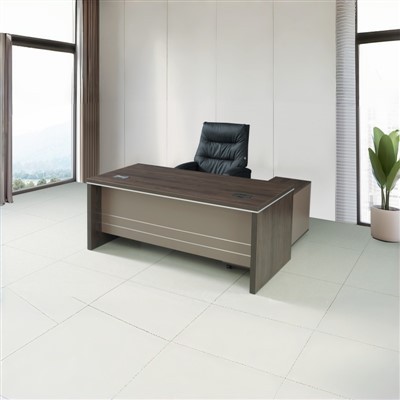
Let’s start with the biggest mistake I see startups make: buying fancy, permanent furniture too fast. I get it—you want your new space to feel “legit” when you hire your 10th employee. But startups pivot. Like, all the time. That table that fits 8 people now might need to fit 15 in 3 months when you bring on a new cohort, or someone might realize they don’t need a big office at all. Fancy built-ins or heavy, immovable desks are a dead weight when your team changes direction faster than a TikTok trend. I learned this the hard way at that first startup: we dropped $2k on a custom conference table that only got used for 2 actual team meetings because we ended up working remotely half the time. Save that cash for your marketing budget or that first sales hire—you don’t need to prove you’re a real company with a table.
Okay, so if permanent furniture is out, what’s in? Modular stuff, mostly. Think desks that slide apart or stack, chairs that aren’t bolted to the floor, storage units that can be rearranged in 10 minutes. Wait, but don’t sleep on quality—cheap chairs that fall apart in 6 months end up costing you more in the long run, plus no one’s gonna complain about a broken desk, but they will side-eye you if their chair hurts their back. I always say: buy the best chair you can afford for every person, but everything else can be flexible. Why? Because 9 times out of 10, your team is going to end up working from home 2-3 days a week anyway—so the extra desk space at the office might just be for laptops and coffee mugs, not full-time workstations.
Next up: space, or the lack thereof. Most startups don’t have a huge, open floor plan like you see in the movies. You’re squeezing 12 people into a 1,000 sq ft spot, and half of that is probably the kitchen area. So don’t pick furniture that takes up more room than necessary. For example, standing desks are great, but if your office is tiny, don’t get one that’s 6ft wide—go for a compact adjustable desk that fits a laptop and a monitor. Also, think about noise. Open offices are fun for collaboration, but not when someone’s on a client call and everyone around them is yelling about a bug. So throw in some small, modular couches or high-backed chairs for quiet work, not just rows of identical desks. We helped a startup last year that was crammed into 800 sq ft—they swapped their 10 big desks for 5 adjustable ones, plus 2 small, sound-dampening booths, and suddenly everyone had space to breathe.
Wait, let’s talk about your team specifically, because that’s the whole point. If your team is mostly developers who need 2 monitors and 2 desks for their setup, don’t get them tiny desks meant for writers. If your team is made up of remote workers who only come in for weekly syncs, you don’t need 15 full-time workstations—get 10 and add a few flexible spots that can be reconfigured when everyone’s in. I worked with a design startup a while back where everyone needed big, wide desks for their tablets and sketchpads, but their office was also used for client presentations. We got them modular desks that could be pushed together to make a long client table, or pulled apart so each designer had their own space. It worked so well they didn’t have to rent a bigger office for 18 months.
Something that’s super important right now that no one talks about enough: well-being. Startups burn people out, plain and simple. So furniture that supports basic comfort isn’t a “perk”—it’s a retention tool. I’m not talking about fancy massage chairs (though those are cool), I’m talking about chairs with good lumbar support, desks that let you sit or stand without feeling like you’re hunched over, and enough space that someone isn’t elbow-to-elbow with their neighbor. A friend who runs a startup told me that after we helped them swap their folding chairs for ergonomic ones, their Friday “back pain complaints” dropped by like 70%. Small win, but it adds up to happier, less distracted employees.
Budget is obviously king for startups. Let’s be real—you’re counting every dollar, so don’t fall for the “we have a discount for early startups” trap that ends up being 10% off garbage furniture. Break down your needs: what’s non-negotiable? Chairs, definitely. Desks, maybe not fancy ones. Storage, you can wait a little on. Then, shop around—don’t just go with the first place that hits you up. We work with a lot of startups and we always have flexible payment plans, or take back gently used furniture if they outgrow it, which saves them from dumping a bunch of stuff when they pivot. Also, check for secondhand, but be picky—some places sell office furniture that’s barely used from companies that downsized, which can be half the cost. Just make sure it’s not falling apart before you buy.
Wait, another thing: sustainability. A lot of startups these days care about making their impact low, and that includes office stuff. No one wants to walk into an office that’s full of brand-new furniture that’ll end up in a landfill in a year. Look for brands that use recycled materials, or furniture that’s made to be repaired, not replaced. We use a lot of furniture that’s made from reclaimed wood or recycled plastic, and a lot of startups love that because it fits their vibe—plus, it’s usually just as durable as new stuff. It’s a small detail, but it makes your office feel like it’s part of your company’s values, not just a place to work.
Let me wrap this up with a quick checklist I wish someone had given me back when I was starting out: 1) Prioritize modularity over permanent, fancy stuff—you’ll pivot, I promise. 2) Spend the most on ergonomic chairs; everything else can be flexible. 3) Measure your space first, not your dream office—don’t buy a desk that doesn’t fit. 4) Think about your team’s actual needs (developers vs. designers vs. client-facing) not what looks good on Instagram. 5) Factor in budget for well-being, not just the cheapest option. 6) If sustainability matters to you, pick furniture that aligns with that, it’s worth it.

And hey, if you’re in the thick of picking office furniture and not sure where to start, just reach out—we work with startups every single day, so we get your chaos. No sales pitch spam, just a quick chat to figure out what you actually need, not what we want to sell you. Drop a note, let’s make your office work for you, not against you.
Office Desk References:
- “Startup Office Space: Trends and Best Practices” – Small Business Administration
- “Ergonomics in the Workplace: Impact on Productivity and Employee Well-being” – Occupational and Environmental Medicine Journal
- “Modular Office Furniture: A Guide for Agile Teams” – Office Furniture Solutions Association
Shandong Jinshi Furniture Co., Ltd.
We’re well-known as one of the leading office furniture manufacturers in China, featured by quality products and good service. Please rest assured to buy bulk customized office furniture made in China here from our factory. Contact us for more details.
Address: Fifteenth Industrial Park, Huangtun Town, High-tech Zone, Jining City, Shandong Province
E-mail: jinshijiaju88@126.com
WebSite: https://www.jinshijiaju.com/
