If you’ve ever rushed through an airport, squinting at a gate sign that’s half obscured by sun glare or flickering so bad you can’t read the flight number, you’ve probably thought, “How hard is it to keep these signs working?” As someone who’s spent the last 8 years in the airport gate signs supply game—working hands-on with airports big and small across North America, I’m here to tell you it’s way more complicated than it looks. These signs aren’t just plastic boards with numbers; they’re critical tools that keep millions of travelers on track every single day, and maintaining them comes with a mountain of challenges most people never see. Airport Gate Signs

First off, there’s the weather, and airports basically get the worst of it. I’m talking about scorching sun that melts adhesive on sign panels, freezing rain that seeps into wiring, wind so strong it yanks loose fasteners, and even salt spray from coastal airports that eats through metal frames like termites. Last year, I had a client in Florida (you know, the kind that has both intense heat and random afternoon thunderstorms) call me panicking because their main terminal gate signs were starting to warp. The heat had made the LED modules shift inside the sign frames, so the flight numbers were misaligned. We sent a team out to replace the old plastic frames with aluminum ones that are heat-resistant, but the truth is, even the sturdiest materials take a beating. Coastal airports have it even worse—salt doesn’t just rust the signs; it corrodes the circuit boards inside, which means you’re not just fixing a surface issue, you’re dealing with internal electrical damage that can take weeks to diagnose and repair.
Then there’s the constant, unforgiving wear and tear from people. Travelers grab at sign poles while rushing, lean on displays, peel stickers off the edges (those weird little airline logo stickers that no one ever throws away), and even bump into them with rolling suitcases. One time, a client in Chicago told me their gates near the baggage claim had 12 sign panels replaced in 6 months—because people kept dragging their 50-pound suitcases into the signs, cracking the plastic covers. And it’s not just intentional damage; airports see over 100,000 people a day during peak season, so even tiny, accidental bumps add up. What’s tricky here is that airports can’t just take a sign offline to fix it during the day—they can’t stop a flight because a gate sign is cracked. So technicians have to work overnight, when the airport’s dead quiet, which means tight deadlines and little room for error. I’ve had to send my team to a gate at 2 a.m. in Boston, where the wind was still howling, to replace a cracked sign before the first flight of the day. That’s not ideal, but it’s part of the job.
Next, there’s technology, which I swear is both a blessing and a curse. These days, most gate signs are LED, which is way more energy-efficient than the old incandescent ones—but they have their own set of problems. LED modules can flicker, or go out entirely, and when that happens, it’s not just a dead light. You have to track down which specific module is faulty, which can be a nightmare if the sign is 10 feet tall and has 50 modules spread across it. And here’s the thing: technology changes so fast that replacement parts for older signs become obsolete in like 5 years. I had a client in Dallas with a set of gate signs from 2015 that were still working, but the company that made the LED modules went out of business. So when a module burned out, we couldn’t get a replacement—we had to replace the whole sign, which cost 3 times more than just swapping a module. It’s frustrating for both airports and us suppliers, because no one wants to waste money, but that’s the reality of tech in the airport space. Also, there’s software now—many modern gate signs connect to the airport’s central system, so if there’s a glitch in the software, all the signs in a terminal could show the wrong flight times. Last year, a client in Atlanta had a 2-hour delay across 10 gates because of a sign software bug. We had to send our IT team out at 1 a.m. to re-calibrate the system, and it was a huge headache.
Don’t get me started on compliance and regulations. Airports are some of the most heavily regulated places in the world, and gate signs have to meet specific standards for visibility, brightness, and durability. For example, in the U.S., the FAA (Federal Aviation Administration) requires that gate signs be visible from at least 100 feet away, even in bright sunlight. So if a sign’s brightness drops below a certain level, you have to replace it, no exceptions. But here’s the catch: regulations change. Last year, the FAA updated their guidelines for sign durability, requiring that all signs in high-traffic areas can withstand impacts of up to 100 pounds. That meant a lot of airports with older signs had to retrofit them, even if they were working fine. As a supplier, I have to make sure every sign we send out meets the latest rules, which means constantly staying on top of new regulations. It’s not just about selling a sign—it’s about making sure it’s legal for use, and that adds another layer of stress to the maintenance game.
Then there’s accessibility, which is a big one that’s often overlooked. Gate signs have to be readable by travelers with visual impairments, which means they need to have proper contrast between text and background, and sometimes braille. That might sound simple, but when you’re dealing with LED signs that can have uneven brightness, or text that’s too small, it gets complicated. I once had a client in Seattle get a complaint from a traveler who’s blind, saying the gate signs’ braille was misaligned. We had to go back and re-install braille panels on 15 gates, which cost the airport time and money, and taught us a valuable lesson: accessibility isn’t an afterthought—it’s part of maintaining these signs correctly.
Let’s also talk about budget constraints. Airports are always tight on cash, right? They have to pay for runways, staff, fuel, all that stuff, so when it comes to gate sign maintenance, they’re usually looking to cut costs wherever they can. That might mean delaying repairs, or buying cheaper parts that break faster. I get it—budgets are tough—but cutting corners on gate signs is a bad move. A faulty sign can lead to missed flights, frustrated travelers, and even safety issues. Last year, a small regional airport in Ohio put off replacing a flickering gate sign, and a group of 20 people ended up going to the wrong gate, missing their flight. They had to rebook all of them, costing the airport thousands of dollars, and it was all because they tried to save a few bucks on a sign repair. As a supplier, I have to balance being honest about costs with giving airports solutions that actually work. Sometimes that means explaining that a $50 part now will save them $500 in repairs later, and most airports finally get that.
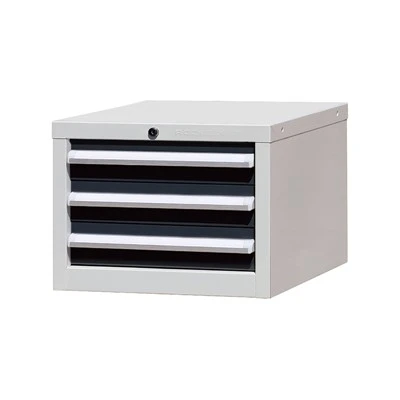
Toolboxes So, what does all this mean for airports and for suppliers like me? It means maintaining gate signs isn’t just fixing a light or patching a crack—it’s a constant, 24/7 battle against weather, wear and tear, tech glitches, regulations, accessibility rules, and budget limits. But here’s the good news: we’ve gotten really good at it over the years. We’ve developed custom aluminum frames that can handle heat and salt, we stock replacement modules for most signs (even older ones), we work overnight so we don’t disrupt flights, and we make sure every sign we provide meets all FAA accessibility and durability standards. If you’re an airport manager or someone in charge of gate sign maintenance, you know how important these signs are. If you’re tired of dealing with flickering lights, broken panels, or parts that disappear when you need them, I’m here to help. We can walk through your specific needs, figure out what’s wrong with your current signs, and come up with a plan to keep them working for years. So don’t hesitate to reach out—let’s chat about how we can make your gate signs reliable, compliant, and stress-free.
References
- Federal Aviation Administration. (2022). Airport Signage Design and Maintenance Standards. U.S. Department of Transportation.
- Airports Council International. (2023). Global Airport Signage Challenges and Best Practices. ACI World Technical Report.
- National Fire Protection Association. (2021). NFPA 415: Standard on Airport Terminal Buildings.
- International Organization for Standardization. (2022). ISO 14801: Aircraft Ground Support Equipment – Airport Signage Performance Requirements.
- U.S. Access Board. (2020). Airport Accessibility Guidelines for Signage.
Wuhu Qiahao Metal Products Co., Ltd.
As one of the most professional airport gate signs manufacturers and suppliers in China, we warmly welcome you to buy premium airport gate signs made in China here from our factory. All customized products are with high quality and competitive price. Contact us for pricelist.
Address: Building 5, No. 3 Yongtai Road, Wanzhi District, Wuhu City, Anhui Province, China
E-mail: 290418907@qq.com
WebSite: https://www.qiahaometal.com/
