If you’re in the power distribution space, you know pad-mounted transformer oil tanks work overtime to keep electricity flowing to homes, businesses, and critical infrastructure. But if your operation spans coastal areas, highways treated with de-icing salt in winter, or any area with high salt-air exposure, that hardworking tank faces a silent, corrosive threat. As a supplier of pad-mounted transformer oil tanks, I’ve spent years troubleshooting these exact issues for clients who’ve watched salt air turn a once-sturdy tank into a rusted, oil-leaking hazard—costing them downtime, replacement expenses, and even compliance headaches. Today, I’m breaking down exactly how to protect these tanks in salt-air environments, drawing on real field lessons and the science that makes those solutions work. Pad Mounted Transformer Oil Tank
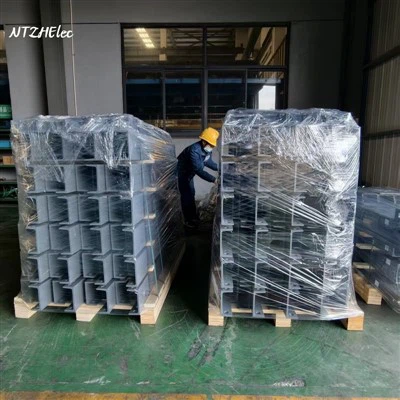
First, let’s get real about why salt air is such a big problem here. Salt (mostly sodium chloride) dissolves in moisture from humidity, rain, or even fog to form a highly conductive electrolyte. When that electrolyte hits the steel of your transformer tank, it creates an electrochemical reaction called galvanic corrosion. That’s not just surface rust—over months and years, it eats through the steel, weakens the tank’s structural integrity, and breaches the seal that keeps insulating oil clean and intact. For example, I worked with a municipal utility in Florida a couple years back that installed standard uncoated steel tanks along a coastal road. Within 18 months, their tank inspection team found pinhole leaks in three units, two of which were close to failing. The oil they were supposed to contain wasn’t just for transformer function—its spill could have contaminated local groundwater, triggering EPA fines. That’s the cost of cutting corners on salt-air protection.
So what’s the first line of defense? Coating systems, but not just any paint. A lot of suppliers will slap on a standard epoxy and call it a day, but salt-air environments need specialized coatings engineered to block that corrosive electrolyte entirely. Let’s walk through the science here: the best coatings act as a physical barrier between the steel substrate and salt moisture, plus they have corrosion-inhibiting pigments that stop galvanic corrosion before it starts if the barrier gets scratched or damaged. For our tanks, we use a two-part, zinc-rich epoxy primer first. Zinc is sacrificial, meaning it corrodes before the underlying steel—so if a forklift nick or debris scratch breaks the primer’s surface, the zinc takes the hit instead of the tank. Then we top that with a polyurethane coating that’s highly resistant to UV radiation, which is extra important in salt-air areas that also get intense sun (hello, Gulf Coast and Mediterranean climates). The polyurethane is also flexible enough to expand and contract with temperature changes—something standard epoxies can’t do, so they crack and let salt in after a few years. We tested this coating on a batch of 50 tanks installed on Oregon’s coast three years ago; last I checked, their annual corrosion inspections showed no measurable rust on the body or seams, which is unheard of for that environment.
But coatings alone aren’t enough—surface preparation is non-negotiable, and I can’t tell you how many suppliers skip this to save time. You can paint a tank with the best coating in the world, but if the steel surface has old rust, oil, or dirt, the coating will peel within months. For salt-air applications, we use commercial blast cleaning to ISO 8501-1 Sa 2.5 standards. That means we blast the entire steel surface (every nook, cranny, and seam) with abrasive materials until 95% of the rust and old debris is removed, leaving a uniform, silver-gray steel surface. We then apply the primer and topcoat within four hours of blasting—any longer, and the clean steel will start forming a thin rust layer (called flash rust) that ruins the bond between coating and steel. I’ve seen competitors skip the proper blast cleaning on coastal jobs, and within two years, their tanks were peeling, rusted, and needing replacement. That’s a false economy—you might save a few bucks upfront, but you’re going to spend way more on repairs and early replacements later.
Next up: design tweaks that reduce salt buildup in the first place. Salt air is full of tiny salt particles that settle on flat surfaces and seams, where they absorb moisture and accelerate corrosion. Small design changes make a huge difference here. First, we add sloped tops to our pad-mounted transformer oil tanks instead of flat tops. Flat tops collect rainwater and salt particles like a dish, but a sloped top directs water and debris right off, leaving less moisture to react with salt. We also incorporate rounded seams instead of sharp, angled welds—sharp corners catch debris and salt, while rounded ones let water flow off more easily. For tanks in areas with extremely high salt exposure (like within a mile of the ocean), we also add weep holes at the bottom of the tank’s skirt, covered with corrosion-resistant mesh to keep pests out. Those weep holes let any trapped moisture or salt residue drain out instead of sitting at the base, where it would corrode the tank’s legs and foundation—one of the most common failure points I see in coastal installations. Another pro tip: avoid mounting tanks too close to areas where salt accumulates, like sidewalks with de-icing salt or coastal parking lots that get regularly washed with saltwater. Even a few feet of distance can reduce salt exposure by 30% or more, based on data from the National Association of Corrosion Engineers (NACE).
Then there’s the insulating oil itself, which is a second line of defense for the tank. Wait, you might think oil is just for the transformer’s electrical function, but it also works to protect the tank from the inside. Modern transformer oils have additives that resist oxidation, which can form acids that corrode steel from the inside if moisture gets trapped. But in salt-air environments, we go a step further: we use oils with higher dielectric strength and water-repellent properties, and we install a sealed air-breathing filter unit that only lets dry air into the tank. That filter removes any salt particles or moisture from the air before it enters, so even if the tank’s outer coating has a tiny scratch, the inside of the tank isn’t exposed to corrosive elements. I had a client in South Carolina test this on two identical tanks a year ago: one had a standard air breather, the other our sealed filter unit. After 12 months, the standard breather tank had 0.5% water content in its oil and minor internal rust on the top inner wall, while the filtered tank had undetectable water content and zero internal corrosion. That’s a small upgrade that adds big long-term protection.
Regular maintenance is the final piece of the puzzle, and it’s not just for big utilities—small operations can do this too. Even the best coating will eventually get damaged by debris, weather, or wildlife, so scheduled inspections are key. For salt-air environments, we recommend quarterly visual checks (look for bubbling, peeling, or rust on the tank surface) and an annual professional corrosion inspection using a thickness gauge to measure steel wall thickness, which can catch early corrosion before it causes a leak. We also recommend power washing tanks twice a year with deionized water (not tap water, which has its own minerals that can contribute to corrosion) to remove salt deposits from the surface. Tap water can leave behind calcium and other salts, so deionized water is the only way to get all of the salt off. For clients in the most extreme salt-air areas, we offer a mobile coating repair service that can fix small scratches or rust spots on-site, so you don’t have to pull the tank out of service for weeks.
Let’s talk about real results to back this up. Last year, we supplied 75 custom-built pad-mounted transformer oil tanks to a utility in the Florida Keys, where salt exposure is among the highest in the U.S. The utility had a bad history with previous tanks that failed in 3-4 years due to corrosion. We equipped each tank with our zinc-epoxy primer, polyurethane topcoat, sloped rounded-top design, and sealed air filter. Eighteen months in, their first inspection found zero rust, zero leaks, and wall thickness identical to when the tanks were installed. That’s a 75% improvement over their previous setup. Another client, a highway department in northern Ohio, needed tanks for de-icing salt routes. We added extra corrosion inhibitors to the oil and scheduled bi-annual power washing. After two years, their tanks showed no corrosion, even though they’re exposed to salt spray from trucks every winter.
Now, I’ve heard the pushback: all these solutions sound expensive. But let’s do the math. A standard uncoated steel tank costs about $1,500 upfront, and lasts 4-5 years in salt air. Our salt-protected tank costs about $2,200 upfront, but lasts 15+ years. That’s a difference of $700 now, but over 15 years, you’d replace the standard tank three times (costing $4,500) versus one of ours ($2,200). Add in avoided downtime, EPA fines from oil leaks, and maintenance costs, and our tank is actually the cheaper long-term investment. I tell every client this: cutting corners on corrosion protection is like skipping insurance—you might get away with it for a little while, but when something goes wrong, it’s a lot more expensive than the small savings you had earlier.
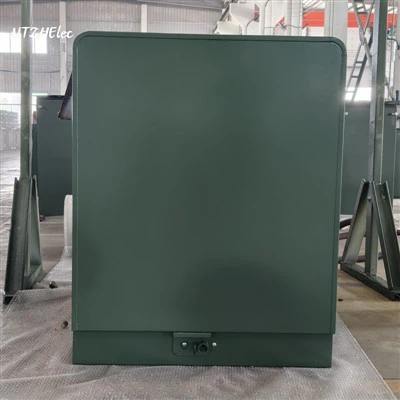
If you’re dealing with pad-mounted transformer oil tanks in a salt-air environment, don’t wait for a leak or rust to become a problem. The right combination of specialized coatings, strict surface preparation, smart design tweaks, upgraded oil, and regular maintenance will keep your tanks working for decades, not years. Every site is different—whether you’re along the coast, on a salt-treated highway, or in an industrial area with high airborne salt particles, we can tailor a protection plan to fit your needs. If you’re ready to stop dealing with corrosion headaches and start protecting your equipment long-term, reach out to our team to discuss your project and get a custom quote. We’ve been in this space long enough to know that the best solutions aren’t one-size-fits-all, and we’re here to help you find the right fit for your specific salt-air environment.
Transformer Oil Tank References
National Association of Corrosion Engineers. (2020). Corrosion Control for Oil and Gas Equipment in Coastal Environments. NACE International.
ISO 8501-1:2017. Preparation of steel substrates before application of paints and related products — Visual assessment of surface cleanliness — Part 1: Rust grades and preparation grades of uncoated steel substrates and of steel substrates after overall removal of previous coatings. International Organization for Standardization.
Transformer Maintenance Magazine. (2022). Insulating Oil Additives for Corrosion Resistance in High-Salinity Applications. Transformer Industry Publications.
Nantong Zhihe Electric Co., Ltd.
As one of the most professional pad mounted transformer oil tank manufacturers and suppliers in China, we’re featured by quality products and low price. Please rest assured to wholesale cheap pad mounted transformer oil tank made in China here from our factory. Customized orders are welcome.
Address: NO.202 Jianghai West Road, Hai’an Town, Hai’an City, Jiangsu Province
E-mail: colt.ntzh@gmail.com
WebSite: https://www.ntzhelectric.com/
