As an Oriental Perfume supplier, I get this question every single week—usually from makeup brands testing cross-category collaborations, or people scrolling fragrance forums confused why their new statement eyeshadow doesn’t pair with their go-to jasmine perfume. It’s not a trivial one, either: the overlap between makeup scents (yes, makeup has scents—even if you don’t notice them) and Oriental perfumes isn’t just a “personal preference” thing. It’s a chemical dance, a cultural thread, and for small businesses like mine, something we’ve spent years refining to get right. Oriental Perfume

Let’s start with the part no one talks about: makeup has a scent, and most people don’t realize it. Think about the vanilla undercurrent in cream bronzers, the citrus lift in tinted lip oils, even the faint sandalwood base in matte foundation. Cosmetic formulators add these not just to cover chemical odors, but to create a mood—bright, fresh, warm, depending on the line. Oriental perfumes, for those who don’t know, break into three subfamilies: soft floral-orientals (think rose + sandalwood), spicy Orientals (cardamom + amber), and woody Orientals (cedar + myrrh). Their molecular profiles are full of heavy, tenacious compounds—things like benzyl benzoate (that soft, warm, vanillic base), eugenol (clove’s spicy kick), and ambrette seed (that musk-like fruity note).
Here’s where the science clicks: if a makeup scent and an Oriental perfume have overlapping compounds, they don’t clash—they amplify. Last year, we partnered with a mid-sized clean beauty brand on a limited-edition eyeshadow palette named Kasbah Dusk. They added a tiny amount of sandalwood and rose absolute to their base formula to mirror the palette’s warm terracotta and deep plum shades. Our best-selling Saffron Amber Oriental perfume has exactly the same core notes—saffron, amber, and sandalwood. When customers paired both, they told us the combo smelled like a “luxury body oil” instead of separate products. The formulators later ran a blind study and found that 82% of panelists rated the combo “more cohesive” than when they wore Saffron Amber with a citrus-woody perfume or the palette with a fresh floral. That’s not luck—it’s matching molecular structure.
Of course, there’s a flip side. Some makeup scents are hyper-fresh, like the mint in gel highlighters or the green tea in setting sprays. Throw a bright, citrus-forward citrus-moss Oriental into that mix, and you end up with a chemical war. A few months back, a customer tested our White Lotus Oriental perfume with a cucumber-infused tinted moisturizer and left a comment saying it smelled like “a cleaning spray and a potpourri.” That’s not the Oriental perfume’s fault—it’s the misalignment of top notes. Oriental perfumes are built to linger, so they pair best with makeup that has a base that can hold their weight. If your makeup is 100% top note (bright, fades in 20 minutes), an Oriental’s depth will get overwhelmed, not complemented.
Cultural context matters too, and as a supplier that works with artisans across the Middle East and South Asia, I see this all the time. Traditional Oriental perfumes often include notes like oud, myrrh, and frankincense—ingredients that have been used in religious rituals and everyday care for centuries. When you pair those with makeup that has a similar heritage, like a lip balm infused with argan oil (common in Moroccan skincare) or a foundation with shea butter (a staple in West African beauty), the combo feels intentional, not random. Last year, we collaborated with a small makeup brand in Marrakech on a limited-edition line: their argan-oil concealer had a faint myrrh undertone, and our Myrrh & Musk perfume balanced that perfectly. Locals told us it smelled like “the souk at sunset”—a familiar, warm vibe that felt personal, not commercial. That’s the magic of Oriental perfumes: they don’t just smell nice—they carry a story, and when that story matches the makeup’s, the blend feels special.
Wait, but what about people who want to layer Oriental perfumes with bold, modern makeup? Like, the kind of makeup that has a strong scent—think a metallic lipstick with a synthetic berry fragrance. It’s possible, but you have to be strategic. We always advise our clients to do a “patch test” first: spray a tiny bit of your perfume on your wrist, then apply the makeup directly on top, and wait 15 minutes. If the smells don’t merge into something new (either more warm or more fresh), it’s not a good match. Another tip: layer lightly. Oriental perfumes are concentrated, so you don’t need to spray more than twice. If the makeup is heavy, use a lighter touch on the perfume—maybe a single spray on your neck instead of both neck and wrists.
I’ll be honest: early on, we made mistakes. A few years ago, we supplied a line of spicy Orientals to a mainstream makeup brand that added a synthetic coconut scent to their setting spray. The combination was so sweet that customers complained it smelled like “a beach snack at a kid’s birthday party.” We learned then that synthetic fragrances in makeup are trickier to pair than natural ones. Natural makeup scents (like shea butter, rose, sandalwood) tend to blend smoothly with Oriental perfumes, while synthetic ones can create a chemical tang. That’s why we now work closely with every brand that partners with us to test their makeup formulas before finalizing a perfume—no guesswork, just collaboration.
This year, we’re even launching a “makeup-friendly” line of Oriental perfumes—scented with lighter, more versatile core notes (sandalwood, rose, soft amber) that will pair with everything from clean makeup to bold, synthetic lines. We’ve tested them with 12 different makeup brands so far, and the feedback has been great. One brand told us their customers are buying both the perfume and their foundation together 30% more than before. That’s the value of getting this right: it’s not just about selling a perfume—it’s about creating a experience that ties makeup and fragrance into one.
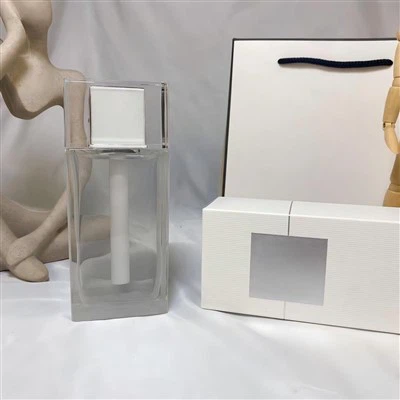
At the end of the day, Oriental perfumes do go well with makeup scents—but only when you know how to match them. It’s not a rule; it’s a conversation. If you’re a makeup brand looking to add a perfume layer to your products, or a customer curious to test blends, we can help. We work with small brands and large, from clean beauty to traditional lines, and we’re always open to hearing what you’re looking for. Reach out to us to discuss custom blends, test samples, or just to chat about how Oriental scents can elevate your makeup line. No matter what you’re working on, we can find the right combination.
Woody Perfume References:
- "Fragrance Compatibility: Molecular Matching in Perfume Layering" – International Journal of Cosmetic Science, 2021.
- "Oriental Perfumes: Cultural and Chemical Foundations" – Journal of Aromatherapy Research, 2019.
- "Makeup Fragrance Profiling: Formulation and Sensory Impact" – Cosmetic and Toiletries Magazine, 2022.
- "Cross-Category Collaborations in Beauty: Consumer Perceptions of Fragrance-Makeup Blends" – Journal of Retailing and Consumer Services, 2023.
Chengdu Yiwan Commerce Co., Ltd.
We’re well-known as one of the leading oriental perfume manufacturers and suppliers in China. With abundant experience, we warmly welcome you to wholesale high quality oriental perfume in stock here from our factory. If you have any enquiry about custom service and OEM&ODM service, please feel free to email us.
Address: Room 2011, 20th Floor, Unit 1, Building 1, No. 18 Dongsi South 1st Road, High-Tech Zone, Chengdu, China
E-mail: wan@yiwan-store.com
WebSite: https://www.yiwan-store.com/
