Hey there! I’m a supplier of mechanical processing components, and I’ve been in this game for quite a while. Over the years, I’ve seen my fair share of common defects in mechanical processing components. In this blog, I’ll share with you what these defects are and how we can avoid them. Mechanical Processing Components
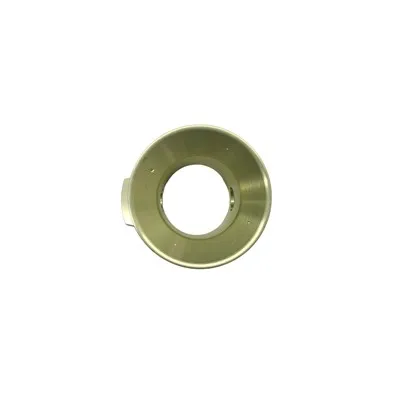
1. Surface Roughness
One of the most common defects we encounter is surface roughness. You know, when the surface of the component isn’t as smooth as it should be. This can happen for a few different reasons.
First off, the cutting tool might be worn out. If you’re using a dull tool, it’s going to leave marks on the surface of the component, making it rough. And over time, as the tool gets more and more worn, the problem gets worse. Another thing is the cutting parameters. If the cutting speed, feed rate, or depth of cut are set wrong, it can also lead to a rough surface. For example, if the feed rate is too high, the tool might not be able to cut cleanly, leaving behind rough edges.
So, how do we avoid this? Well, it’s pretty straightforward. Keep an eye on your cutting tools. Regularly check the sharpness of the tool, and replace it when it starts to show signs of wear. Also, make sure to set the right cutting parameters. You can do some testing and experiments to find the optimal settings for each type of component you’re manufacturing.
2. Dimensional Errors
Dimensional errors are another big issue. This means that the component doesn’t meet the specified size requirements. It can be either too big or too small.
There are a few factors that can cause dimensional errors. One is the inaccuracy of the machining equipment. If the machine isn’t calibrated correctly, it won’t be able to cut the component to the right size. For example, the measuring system of the machine might be off, or there could be some mechanical problems with the axes. Another factor is thermal deformation. When you’re machining a component, the heat generated during the cutting process can cause the material to expand. If you don’t account for this expansion, the component will be the wrong size once it cools down.
To avoid dimensional errors, you need to make sure your machining equipment is well – maintained and calibrated regularly. Have a quality control system in place to check the accuracy of the machine before starting each job. Also, take into account the thermal expansion of the material. You can use techniques like cooling the workpiece during machining to reduce the effects of heat.
3. Cracks
Cracks in mechanical processing components are a serious defect. They can weaken the component and even cause it to fail under stress.
There are several reasons why cracks might appear. One is improper heat treatment. If the component is heated or cooled too quickly during the heat – treatment process, it can create internal stresses that lead to cracking. Another cause is excessive mechanical stress during machining. For example, if you’re applying too much force when cutting or bending the component, it can cause cracks to form.
To prevent cracks, make sure your heat – treatment process is well – controlled. Follow the correct heating and cooling rates for the specific material you’re using. And when it comes to machining, use the right amount of force and avoid overloading the component.
4. Porosity
Porosity refers to the presence of small holes or voids in the component. This can reduce the strength and integrity of the part.
Porosity can be caused by issues in the casting or forging process. For example, if there are gas bubbles trapped in the molten metal during casting, they can form pores when the metal solidifies. In forging, improper compaction can also lead to porosity.
To avoid porosity, you need to have a good quality control system in place for the casting or forging process. Make sure the molten metal is properly degassed before casting. And in the case of forging, ensure that the material is compacted evenly and to the right density.
5. Burrs
Burrs are small, unwanted projections or edges on the component. They can be a nuisance, especially if the component needs to fit precisely with other parts.
Burrs are usually created during the cutting or machining process. When the tool cuts through the material, it can leave behind these small bits of metal.
To get rid of burrs, you can use deburring processes. There are different methods, such as manual deburring with a file or abrasive paper, or using automated deburring machines. And to prevent burrs from forming in the first place, use sharp cutting tools and the right cutting parameters.
How We Ensure Quality at Our Supplier
As a supplier of mechanical processing components, we take quality very seriously. We’ve got a team of experienced technicians who are constantly monitoring the production process. We use high – precision machining equipment that’s regularly calibrated to ensure accurate dimensions.
We also have a strict quality control system. Every component goes through a series of inspections before it leaves our factory. We check for surface roughness, dimensional accuracy, and any signs of cracks or porosity. And if we find any defects, we take immediate action to correct them.
We’re always looking for ways to improve our processes. We invest in the latest technologies and training for our staff to stay ahead of the game.
Wrapping It Up and Invitation
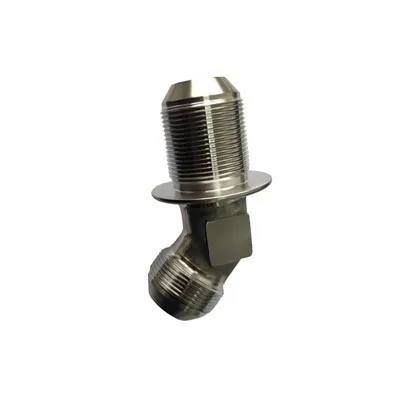
So, there you have it – the common defects in mechanical processing components and how to avoid them. Whether you’re in the automotive, aerospace, or any other industry that relies on high – quality mechanical components, you need a supplier you can trust.
Rubber Parts If you’re in the market for mechanical processing components, we’d love to talk to you. We’re confident that our products meet the highest quality standards, and we can offer competitive prices. Contact us to start a discussion about your requirements, and let’s work together to make your projects a success!
References
- "Machining and Machine Tools" by Rajender Singh.
- "Manufacturing Processes for Engineering Materials" by S. Kalpakjian and S. Rajagopal.
Jiangxi Zhiyi Machinery Manufacturing Co., Ltd.
As one of the most professional mechanical processing components manufacturers and suppliers in China, we also support customized service. Please rest assured to wholesale bulk mechanical processing components in stock here from our factory. If you have any enquiry about quotation, please feel free to email us.
Address: Jiahai Industrial Park, No. 2799 Tianxiang Avenue, High-tech Zone, Nanchang City, Jiangxi Province.
E-mail: zgjxzy@163.com
WebSite: https://www.chinazhiyi.com/
