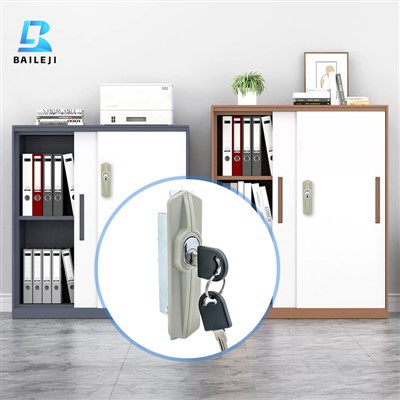
Cam locks are essential components in various industries, offering a simple yet effective way to secure doors, cabinets, and other access points. As a supplier of cam locks, I’ve had the privilege of witnessing firsthand how these devices work and their importance in different applications. In this blog post, I’ll delve into the inner workings of cam locks, explore their types, and discuss their advantages. Cam Lock
The Basics of Cam Locks
At its core, a cam lock is a mechanical locking device that uses a cam, a rotating or sliding piece, to engage or disengage a locking mechanism. The cam is typically attached to a cylinder or a keyway, and when the key is inserted and turned, the cam rotates or slides, either locking or unlocking the device.
The key to understanding how a cam lock works lies in the interaction between the cam and the locking mechanism. When the cam rotates, it moves a locking bolt or lever into place, preventing the door or cabinet from opening. Conversely, when the key is turned in the opposite direction, the cam moves the bolt or lever back to its original position, allowing the door or cabinet to be opened.
Components of a Cam Lock
A typical cam lock consists of several key components:
- Cylinder: This is the part of the lock where the key is inserted. The cylinder contains a series of pins that align with the grooves on the key, allowing the key to turn the cylinder.
- Cam: The cam is attached to the cylinder and rotates when the key is turned. The shape of the cam determines how the locking mechanism is engaged or disengaged.
- Locking Bolt or Lever: This is the part of the lock that moves into place to secure the door or cabinet. The bolt or lever is typically made of metal and is designed to withstand the force of someone trying to open the door or cabinet.
- Housing: The housing is the outer casing of the lock that protects the internal components. The housing is typically made of metal or plastic and is designed to be durable and resistant to wear and tear.
Types of Cam Locks
There are several types of cam locks available, each designed for specific applications. Some of the most common types of cam locks include:
- Keyed Cam Locks: These are the most traditional type of cam locks and require a key to operate. Keyed cam locks are available in a variety of keyways, including pin tumbler, wafer, and disc tumbler.
- Combination Cam Locks: These locks do not require a key and instead use a combination of numbers or letters to unlock. Combination cam locks are often used in applications where a key may be lost or misplaced.
- Push-Button Cam Locks: These locks are operated by pressing a button or series of buttons. Push-button cam locks are often used in applications where quick access is required, such as in toolboxes or cabinets.
- Magnetic Cam Locks: These locks use a magnetic field to unlock the device. Magnetic cam locks are often used in applications where a key or combination may be difficult to use, such as in high-security areas.
How Cam Locks Work in Different Applications
Cam locks are used in a wide variety of applications, including:
- Cabinet and Furniture Locks: Cam locks are commonly used to secure cabinets, drawers, and other furniture pieces. They provide a simple and effective way to keep contents safe and secure.
- Equipment and Machinery Locks: Cam locks are also used to secure equipment and machinery, such as servers, control panels, and electrical enclosures. They help prevent unauthorized access and protect valuable equipment.
- Vehicle Locks: Cam locks are used in vehicles to secure doors, glove compartments, and other storage areas. They provide a reliable way to keep personal belongings safe while on the go.
- Security Gates and Fences: Cam locks are used to secure gates and fences, providing an extra layer of security for homes and businesses. They help prevent unauthorized entry and protect property.
Advantages of Cam Locks
There are several advantages to using cam locks, including:
- Simplicity: Cam locks are simple to install and operate, making them a popular choice for a wide variety of applications.
- Cost-Effectiveness: Cam locks are relatively inexpensive compared to other types of locks, making them a cost-effective solution for securing doors, cabinets, and other access points.
- Durability: Cam locks are typically made of high-quality materials, such as metal or plastic, and are designed to withstand the rigors of daily use.
- Versatility: Cam locks are available in a variety of sizes, shapes, and styles, making them suitable for a wide range of applications.
Conclusion
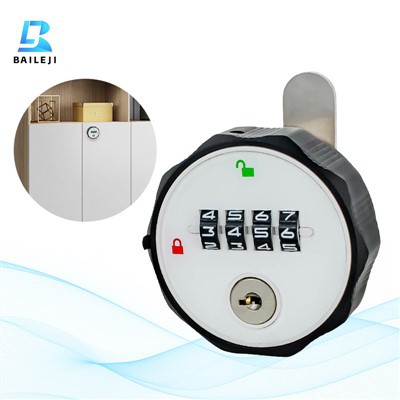
In conclusion, cam locks are a simple yet effective way to secure doors, cabinets, and other access points. As a supplier of cam locks, I understand the importance of providing high-quality products that meet the needs of our customers. Whether you’re looking for a keyed cam lock, a combination cam lock, or a push-button cam lock, we have the expertise and experience to help you find the right solution for your application.
Cabinet Door Lock If you’re interested in learning more about our cam locks or would like to discuss your specific requirements, please don’t hesitate to contact us. Our team of experts is available to answer your questions and provide you with the information you need to make an informed decision. We look forward to hearing from you and helping you find the perfect cam lock for your needs.
References
- "Mechanical Locks: A Comprehensive Guide." Locksmith Journal.
- "Cam Locks: How They Work and Their Applications." Industrial Hardware Magazine.
- "The Basics of Cam Locks." Security Systems Today.
Suzhou Baileji Intelligent Lock Industry Co., Ltd.
As one of the most professional cam lock enterprises in China, we’re featured by quality products and good price. Please rest assured to buy discount cam lock in stock here and get pricelist from our factory. Also, customized service is available.
Address: 3rd Floor, Building 9, Shengteng Industrial Park, No. 8 Ruyuan Road suzhou, jiangsu, China
E-mail: vip@bailejilocks.com
WebSite: https://www.bailejilock.com/
