As a supplier of dry type transformers, I’ve witnessed firsthand the critical role that environmental factors play in the performance and longevity of these essential electrical devices. Among these factors, humidity stands out as a particularly influential element. In this blog, I’ll delve into how humidity affects dry type transformers, drawing on my industry experience and knowledge. Dry Type Transformer
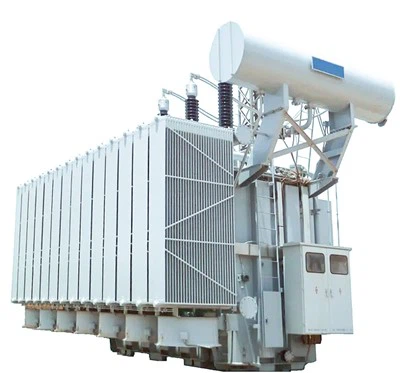
The Basics of Dry Type Transformers
Before we explore the impact of humidity, it’s important to understand what dry type transformers are. Unlike oil – filled transformers, dry type transformers use air as the cooling and insulating medium. They are widely used in various applications, such as commercial buildings, hospitals, and industrial facilities, due to their safety, reliability, and low maintenance requirements.
Dry type transformers consist of a core and windings. The core is typically made of laminated steel, which helps to reduce eddy current losses. The windings are made of copper or aluminum conductors, which are insulated to prevent short – circuits. The insulation materials used in dry type transformers are designed to withstand high temperatures and electrical stresses.
How Humidity Affects Dry Type Transformers
1. Insulation Resistance
One of the most significant effects of humidity on dry type transformers is its impact on insulation resistance. Insulation resistance is a measure of how well the insulation material can prevent the flow of electrical current. When humidity levels are high, moisture can penetrate the insulation material, reducing its resistance.
Moisture acts as a conductor, allowing electrical current to leak through the insulation. This can lead to a phenomenon known as partial discharge, where small electrical discharges occur within the insulation. Over time, partial discharges can damage the insulation material, leading to reduced insulation performance and an increased risk of electrical breakdown.
To illustrate, in a high – humidity environment, say with relative humidity above 80%, the insulation resistance of a dry type transformer can drop significantly. This drop in resistance can be detected through regular insulation resistance testing. If left unaddressed, the reduced insulation resistance can eventually lead to a complete failure of the transformer.
2. Corrosion
Humidity can also accelerate the corrosion of the transformer’s components. The core and windings of a dry type transformer are made of metal, which is susceptible to corrosion in the presence of moisture. Corrosion can weaken the structural integrity of the components, leading to mechanical failures.
For example, the steel core of the transformer can rust when exposed to high humidity. Rust not only reduces the magnetic properties of the core but also weakens its physical strength. Similarly, the copper or aluminum windings can corrode, increasing the resistance of the conductors and reducing the efficiency of the transformer.
In addition to the core and windings, other metal parts of the transformer, such as the enclosure and terminals, are also at risk of corrosion. Corrosion of these parts can lead to poor electrical connections, which can cause overheating and other problems.
3. Mold Growth
High humidity provides an ideal environment for mold growth. Mold can grow on the insulation material, the core, and other components of the dry type transformer. Mold growth not only affects the appearance of the transformer but also has a negative impact on its performance.
Mold can break down the insulation material, reducing its electrical and mechanical properties. It can also block the ventilation channels of the transformer, reducing the cooling efficiency. In some cases, mold growth can release harmful substances, which can pose a health risk to the personnel working around the transformer.
4. Thermal Performance
Humidity can also affect the thermal performance of dry type transformers. In a high – humidity environment, the air is saturated with moisture, which reduces its ability to carry heat away from the transformer. This can lead to an increase in the operating temperature of the transformer.
Higher operating temperatures can accelerate the aging of the insulation material, reducing its lifespan. It can also cause thermal expansion of the components, which can lead to mechanical stresses and potential failures. For example, if the windings expand due to high temperatures, they may come into contact with each other, causing a short – circuit.
Mitigating the Effects of Humidity
1. Environmental Control
One of the most effective ways to mitigate the effects of humidity on dry type transformers is to control the environment in which they are installed. This can be achieved through the use of air – conditioning and dehumidification systems.
Air – conditioning systems can cool the air and reduce its humidity level. Dehumidification systems, on the other hand, can remove moisture from the air directly. By maintaining a low humidity level, typically below 60% relative humidity, the risk of insulation degradation, corrosion, mold growth, and thermal problems can be significantly reduced.
2. Insulation Protection
Another important measure is to protect the insulation of the dry type transformer. This can be done by using high – quality insulation materials that are resistant to moisture. In addition, the insulation can be coated with a moisture – resistant material to provide an extra layer of protection.
Regular insulation testing is also crucial. By monitoring the insulation resistance of the transformer, any signs of moisture penetration can be detected early, and appropriate measures can be taken to prevent further damage.
3. Ventilation
Proper ventilation is essential for dry type transformers. Good ventilation helps to remove heat and moisture from the transformer, reducing the risk of overheating and humidity – related problems. The ventilation system should be designed to ensure that fresh air can flow through the transformer enclosure effectively.
Conclusion
As a supplier of dry type transformers, I understand the importance of ensuring that these devices operate in optimal conditions. Humidity can have a significant impact on the performance and lifespan of dry type transformers, affecting insulation resistance, causing corrosion, promoting mold growth, and reducing thermal performance.
However, by implementing appropriate mitigation measures, such as environmental control, insulation protection, and proper ventilation, the negative effects of humidity can be minimized. At our company, we are committed to providing high – quality dry type transformers and offering comprehensive solutions to help our customers deal with environmental challenges.
Conventional Power Transformer If you are in the market for dry type transformers or need advice on how to protect your existing transformers from humidity, I encourage you to contact us. Our team of experts is ready to assist you with your specific needs and requirements. Let’s work together to ensure the reliable and efficient operation of your electrical systems.
References
- "Electrical Insulation Handbook", McGraw – Hill
- "Transformer Engineering: Design, Technology, and Diagnostics", Marcel Dekker
- Industry standards and guidelines related to dry type transformers
Nantong Yawei New Energy Technology Co., Ltd.
As one of the most professional dry type transformer manufacturers and suppliers in China, we’re featured by quality products and good service. Please rest assured to wholesale durable dry type transformer made in China here from our factory. Customized orders are welcome.
Address: Room 28-101, Building 27 and 28, No.333 Kaiyuan Avenue, Sunzhuang Subdistrict, Hai’an City, Nantong City, Jiangsu Province, China
E-mail: admin@nantongyawei.com
WebSite: https://www.nantongyawei.com/
