Hey there! I’m a supplier of IoT remote water meters, and I’m super stoked to share with you how these nifty devices work. You know, in today’s world, where efficiency and smart solutions are the name of the game, IoT remote water meters are becoming a must – have for water management. IoT Remote Water Meter

Let’s start with the basics. An IoT remote water meter is essentially a smart device that combines traditional water – measuring technology with the power of the Internet of Things (IoT). It’s not your grandpa’s old – school water meter that you have to go and read manually. Instead, it can send data about water usage remotely, making life a whole lot easier for both water providers and consumers.
The Core Measuring Mechanism
At the heart of an IoT remote water meter is the mechanism that actually measures the water flow. There are a few different ways to do this, but the two most common ones are the mechanical and ultrasonic methods.
Mechanical Method
The mechanical method is kind of like the classic way of measuring water. It usually involves a set of gears and a rotating element. As water flows through the meter, it causes the rotating element to spin. The number of rotations is directly proportional to the amount of water that has passed through the meter. The gears then transfer this rotational movement to a display or a sensor.
This method has been around for a long time and is pretty reliable. But it does have a few drawbacks. For example, the moving parts can wear out over time, which might affect the accuracy of the measurements. Also, it can be a bit difficult to measure very low – flow rates accurately.
Ultrasonic Method
The ultrasonic method, on the other hand, is a more high – tech approach. It uses ultrasonic waves to measure the flow of water. There are two ultrasonic transducers placed in the meter at a certain angle to each other. One transducer sends an ultrasonic wave in the direction of the water flow, and the other receives it. When the water is flowing, the time it takes for the ultrasonic wave to travel between the two transducers changes.
By measuring this time difference, the meter can calculate the speed of the water flow. And since the cross – sectional area of the pipe is known, it can then determine the volume of water that has passed through the meter. This method has no moving parts, so it’s more durable and can provide more accurate measurements, especially for low – flow rates.
The IoT Part: Data Transmission
Once the meter has measured the water usage, the next step is to get that data out to where it needs to go. This is where the IoT part comes in. An IoT remote water meter is equipped with a communication module that allows it to send data over a network.
Wireless Communication Protocols
There are several wireless communication protocols that these meters can use. One of the most popular ones is LoRaWAN (Long Range Wide Area Network). LoRaWAN is great because it offers long – range communication with low power consumption. This means that the meter can send data over a relatively large distance without using too much battery power.
Another option is NB – IoT (Narrowband Internet of Things). NB – IoT is also designed for low – power, wide – area communication. It’s a bit more suitable for applications where the data transmission rate is not very high but needs to be reliable.
Some meters might also use Wi – Fi or Bluetooth for communication. Wi – Fi is good for short – range, high – speed data transfer, and it’s often used in residential settings where the meter can connect to the home’s Wi – Fi network. Bluetooth, on the other hand, is useful for close – range communication, like when a technician needs to校准 the meter or retrieve data directly from it.
Data Collection and Management
Once the data is transmitted from the meter, it needs to be collected and managed. The data typically goes to a central server, which can be owned and operated by the water provider.
The Server
The server acts as the brain of the whole system. It receives the data from all the meters in the network, stores it, and processes it. The server can also perform various tasks, such as analyzing the data to detect abnormal water usage patterns. For example, if a meter suddenly shows a very high water flow rate for an extended period, it could indicate a leak.
The server can also generate reports and send alerts to the relevant parties. For water providers, it can help them manage their resources more efficiently, plan for maintenance, and bill customers accurately. For consumers, they can access their water usage data through a mobile app or a web portal, which gives them more control over their water consumption.
Benefits for Different Stakeholders
For Water Providers
As a water provider, IoT remote water meters are a game – changer. They eliminate the need for manual meter reading, which saves a ton of time and money. No more sending technicians out to each location to read the meters. Also, the real – time data provided by these meters helps in detecting leaks early. This not only saves water but also reduces the cost of repairs.
For Consumers
Consumers also stand to gain a lot from these smart meters. They can keep track of their water usage in real – time, which encourages them to use water more efficiently. By being more aware of how much water they’re using, they can make small changes in their daily habits, like turning off the tap while brushing their teeth, to save money on their water bills.
How to Get Your Hands on IoT Remote Water Meters
If you’re a water provider looking to upgrade your metering system or a consumer interested in having more control over your water usage, now is the time to consider IoT remote water meters.
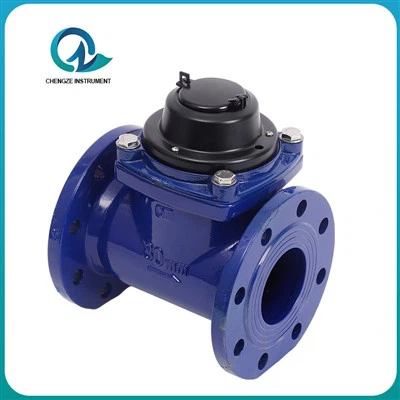
These meters are not only reliable and accurate but also offer a range of features that can make water management a breeze. Whether it’s detecting leaks, getting real – time data, or simply reducing the hassle of manual meter reading, IoT remote water meters have got you covered.
Ultrasonic Water Meter If you’re interested in purchasing IoT remote water meters for your project, feel free to get in touch with us. We’re here to help you find the best solution for your specific needs. Whether you have a small residential area or a large industrial complex, we can provide you with the right meters and support.
References
- "An Introduction to Internet of Things (IoT) for Water Management" – Journal of Smart Water Solutions
- "Comparative Analysis of Water Metering Technologies" – International Conference on Sustainable Water Resources
Shandong Chengze Instrument Co., Ltd.
We’re well-known as one of the leading iot remote water meter manufacturers in China, featured by quality products and good service. Please rest assured to buy high-grade iot remote water meter for sale here from our factory. Also, customized service is available.
Address: No.7, Wensi Road North Industrial Park, Liguan Town, Lanshan District, Linyi City, Shandong Province, China
E-mail: czwatermeter@163.com
WebSite: https://www.cz-watermeter.com/
