As a supplier of wood wool panels, I’ve witnessed firsthand the growing interest in sustainable and effective insulation materials. In this blog, I’ll compare wood wool panels to other common insulation materials, exploring their advantages, disadvantages, and suitability for different applications. Wood Wool Panels
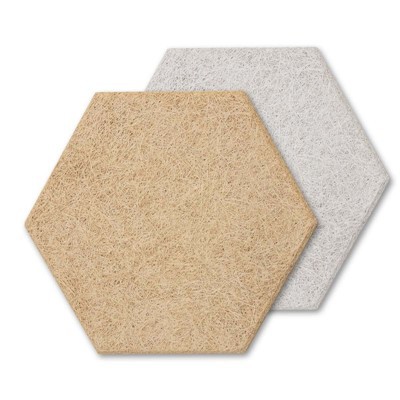
1. Wood Wool Panels: An Overview
Wood wool panels are made from long, thin strands of wood bonded together with cement or other binders. These panels are known for their excellent thermal insulation properties, sound absorption capabilities, and fire resistance. They are also environmentally friendly, as they are made from renewable wood resources and can be recycled at the end of their life.
One of the key features of wood wool panels is their porous structure, which allows them to trap air and reduce heat transfer. This makes them an effective insulation material for both residential and commercial buildings. Additionally, the panels are lightweight and easy to install, which can save time and labor costs during construction.
2. Comparison with Fiberglass Insulation
Fiberglass insulation is one of the most widely used insulation materials in the world. It is made from fine glass fibers that are woven together to form a blanket or batt. Fiberglass insulation is known for its high thermal resistance, low cost, and ease of installation.
However, fiberglass insulation also has some drawbacks. The glass fibers can be irritating to the skin, eyes, and lungs, and proper safety precautions must be taken during installation. Additionally, fiberglass insulation can settle over time, reducing its effectiveness. In contrast, wood wool panels are made from natural materials and do not pose the same health risks. They also maintain their shape and insulation properties over time.
In terms of thermal performance, wood wool panels and fiberglass insulation have similar R-values (a measure of thermal resistance). However, wood wool panels may have an advantage in terms of moisture management. Fiberglass insulation can absorb moisture, which can reduce its thermal performance and lead to mold growth. Wood wool panels, on the other hand, are more resistant to moisture and can help to prevent mold and mildew.
3. Comparison with Mineral Wool Insulation
Mineral wool insulation is another popular insulation material. It is made from rock or slag that is melted and spun into fibers. Mineral wool insulation is known for its high thermal resistance, fire resistance, and sound absorption capabilities.
Like fiberglass insulation, mineral wool insulation can be irritating to the skin and lungs, and proper safety precautions must be taken during installation. Additionally, mineral wool insulation can be more expensive than other insulation materials. Wood wool panels, on the other hand, are made from natural materials and are generally more affordable.
In terms of thermal performance, mineral wool insulation and wood wool panels have similar R-values. However, wood wool panels may have an advantage in terms of environmental impact. Mineral wool insulation is made from non-renewable resources and can be difficult to recycle. Wood wool panels, on the other hand, are made from renewable wood resources and can be recycled at the end of their life.
4. Comparison with Polystyrene Insulation
Polystyrene insulation is a lightweight, rigid insulation material that is commonly used in construction. It is made from expanded or extruded polystyrene beads that are bonded together. Polystyrene insulation is known for its high thermal resistance, low cost, and ease of installation.
However, polystyrene insulation also has some drawbacks. It is made from petroleum-based materials, which are non-renewable and can have a negative environmental impact. Additionally, polystyrene insulation is flammable and can release toxic fumes when burned. Wood wool panels, on the other hand, are made from natural materials and are fire resistant.
In terms of thermal performance, polystyrene insulation and wood wool panels have similar R-values. However, wood wool panels may have an advantage in terms of sound absorption. Polystyrene insulation is a relatively hard material and does not absorb sound as well as wood wool panels.
5. Suitability for Different Applications
Wood wool panels are suitable for a wide range of applications, including residential and commercial buildings, industrial facilities, and agricultural structures. They can be used for wall insulation, roof insulation, floor insulation, and soundproofing.
In residential buildings, wood wool panels can be used to improve the energy efficiency of the home and reduce heating and cooling costs. They can also help to create a comfortable and quiet living environment. In commercial buildings, wood wool panels can be used to meet energy efficiency standards and reduce operating costs. They can also be used to improve the acoustics of the building, which can enhance the productivity and comfort of the occupants.
In industrial facilities, wood wool panels can be used to insulate equipment and pipes, which can reduce energy consumption and improve the efficiency of the operation. They can also be used to create soundproof enclosures, which can reduce noise pollution and improve the working environment. In agricultural structures, wood wool panels can be used to insulate barns and greenhouses, which can help to maintain a stable temperature and humidity level.
6. Conclusion
In conclusion, wood wool panels offer a number of advantages over other insulation materials. They are made from renewable wood resources, are environmentally friendly, and have excellent thermal insulation, sound absorption, and fire resistance properties. They are also lightweight and easy to install, which can save time and labor costs during construction.
While other insulation materials such as fiberglass, mineral wool, and polystyrene have their own advantages, wood wool panels are a viable alternative for many applications. If you are looking for a sustainable and effective insulation material, I encourage you to consider wood wool panels.
Wood Wool Panels If you are interested in learning more about our wood wool panels or would like to discuss your insulation needs, please feel free to contact us. We would be happy to provide you with more information and help you find the right solution for your project.
References
- "Insulation Materials: A Comprehensive Guide." BuildingGreen, Inc.
- "Wood Wool Panels: Properties and Applications." Forest Products Laboratory, USDA.
- "Comparison of Insulation Materials for Energy Efficiency." Energy Star, U.S. Environmental Protection Agency.
Guangzhou MQ Acoustic Materials Co., Ltd.
Guangzhou MQ Acoustic Materials Co., Ltd. is one of the most professional wood wool panels manufacturers and suppliers in China, featured by quality products and low price. Welcome to buy CE approved wood wool panels in stock here and get quotation from our factory. We also accept customized orders.
Address: Room D403, KeZhu Business Building, ZhuJi Road, TianHe District, GuangZhou, China
E-mail: Lizzy@mq-acoustics.com
WebSite: https://www.acoustic-projects.com/
