Hey there, water treatment enthusiasts! I’m a supplier of water treatment chemicals, and today I wanna chat about something super important: the impact of water treatment chemicals on water turbidity. Water Treatment Chemicals

First off, let me explain what water turbidity is. Turbidity is basically a measure of how cloudy or murky water is. It’s caused by all sorts of stuff like suspended particles, such as clay, silt, algae, and even tiny bits of organic matter. High turbidity isn’t just an aesthetic issue; it can also be a sign of poor water quality. It can make the water look unappealing, and more importantly, it can harbor harmful pathogens and bacteria that can pose a risk to human health and the environment.
So, where do water treatment chemicals come in? Well, these chemicals are like the superheroes of the water treatment world. They’re designed to get rid of those pesky suspended particles that cause turbidity. There are several types of water treatment chemicals commonly used for this purpose, and each works in its own unique way.
One of the most widely used types of water treatment chemicals for reducing turbidity is coagulants. Coagulants are substances that help to neutralize the electrical charges on the suspended particles in the water. You see, these particles often have a negative charge, which makes them repel each other and stay suspended in the water. Coagulants, usually in the form of salts like aluminum sulfate or ferric chloride, introduce positive charges into the water. These positive charges neutralize the negative charges on the particles, causing them to clump together. Once they clump, they become heavier and start to settle to the bottom of the water tank or treatment basin. This process is called coagulation, and it’s a huge step in reducing water turbidity.
Flocculants are another key player in the fight against turbidity. After the coagulation process, the small clumps formed by the coagulants are still pretty small. Flocculants come in to help these small clumps join together to form larger, more easily settleable masses called flocs. Flocculants are long-chain polymers that act like a sort of glue, binding the smaller clumps together. This makes it easier for the flocs to sink to the bottom during the sedimentation process. The result? Clearer water with significantly reduced turbidity.
Disinfectants also play a role in turbidity management, although their main function is to kill harmful microorganisms. When water has high turbidity, it can be more difficult for disinfectants to work effectively. The suspended particles can act as shields, protecting the bacteria and viruses from the disinfectant. By using coagulants and flocculants to reduce turbidity first, the disinfectants can reach and kill the pathogens more efficiently. This not only improves water clarity but also enhances the overall safety of the water.
Now, let’s talk about the real – world impact of using these water treatment chemicals on turbidity. In municipal water treatment plants, the use of coagulants and flocculants is a standard practice. These plants receive water from various sources, such as rivers, lakes, or groundwater, which often have high turbidity levels. By adding the right amount of water treatment chemicals at the right time, they can reduce the turbidity of the raw water to acceptable levels for drinking. This means that the water that comes out of our taps is clear, safe, and pleasant to drink.
In industrial settings, water turbidity can also be a major issue. For example, in the food and beverage industry, high – turbidity water can affect the quality and taste of the final product. Using water treatment chemicals to reduce turbidity ensures that the water used in the production process is of high quality, which in turn helps to maintain the quality of the products. In power generation plants, clear water is essential for efficient operation of cooling systems. Turbid water can cause scaling and corrosion in pipes and equipment, leading to costly repairs and downtime. By treating the water with chemicals to reduce turbidity, these problems can be minimized.
But it’s not all sunshine and rainbows when it comes to using water treatment chemicals. There are some potential drawbacks. For one, using too much of these chemicals can be a waste of resources and money. It can also lead to the formation of unwanted by – products. For example, when using aluminum – based coagulants, there’s a risk of aluminum residues remaining in the treated water. High levels of aluminum in drinking water have been linked to certain health problems, such as Alzheimer’s disease, although the evidence is still inconclusive. So, it’s crucial to use the right amount of chemicals and to closely monitor the treatment process.
Another consideration is the environmental impact. Some water treatment chemicals can be toxic to aquatic life if they’re released into the environment in large quantities. For example, certain disinfectants can react with organic matter in the water to form harmful disinfection by – products. These by – products can be toxic to fish, plants, and other organisms in the ecosystem. That’s why it’s important to choose environmentally friendly water treatment chemicals and to follow proper disposal procedures.
As a water treatment chemicals supplier, I understand the importance of finding the right balance. We offer a wide range of high – quality water treatment chemicals that are not only effective in reducing turbidity but also safe for human health and the environment. Our team of experts can work with you to determine the best chemical solutions for your specific water treatment needs. Whether you’re a small – scale water treatment facility or a large industrial plant, we’ve got the products and the knowledge to help you achieve clear, clean water.
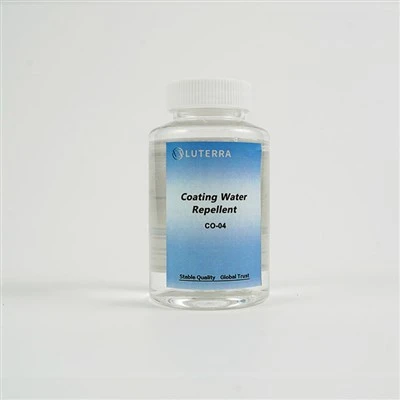
So, if you’re struggling with high water turbidity and need reliable water treatment chemicals, don’t hesitate to reach out. We’re here to help you find the perfect solution for your water treatment challenges. Let’s work together to make your water as clear as possible and ensure the safety and efficiency of your water systems.
Sizing Agent References:
- AWWA (American Water Works Association). Water Quality and Treatment: A Handbook of Community Water Supplies.
- USEPA (United States Environmental Protection Agency). Drinking Water Regulations and Health Advisories.
- Water Research Foundation. Research on Water Treatment Chemicals and Their Impacts.
Luterra Advanced Materials Co., Ltd.
We are one of the most experienced water treatment chemicals manufacturers and suppliers in China, also support customized service. With a professional production team, we are able to meet the needs of the majority of our customers. Please feel free to buy high quality water treatment chemicals made in China here from our factory.
Address: East End of Jingting Road, Caterpillar Industrial Zone, Qingzhou City, Weifang City, Shandong Province, China
E-mail: info@luterra-chem.com
WebSite: https://www.luterra-chem.com/
