If you’ve ever picked up a ferrous sulfate supplement from your local pharmacy or worked with industrial-grade ferrous sulfate for manufacturing applications, you’ve likely heard the most common piece of advice about iron supplements: take them with vitamin C to boost absorption. What most people don’t hear as often is that there are certain foods and beverages that can make ferrous sulfate far less effective—甚至, in some cases, even lead to unwanted side effects. As a ferrous sulfate supplier, I’ve spent years not just moving product across warehouses and working with clients in pharmaceuticals, agriculture, and water treatment, but also answering questions from end users who’ve noticed their iron levels aren’t rising as expected, or who’ve experienced constipation, nausea, or stomach cramping that they can’t explain. Today, I want to break down exactly what to avoid when you’re using ferrous sulfate, why those foods and substances interfere, and how to get the most out of your iron supplement or treatment. Ferrous Sulfate
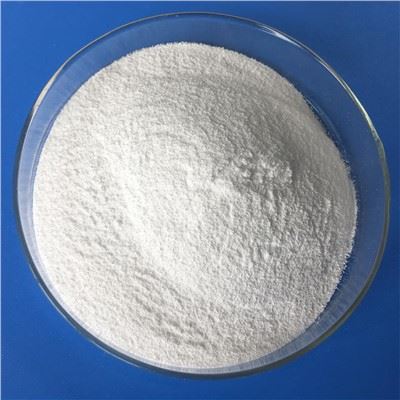
First, let’s start with a quick refresher on ferrous sulfate, because context matters. Ferrous sulfate is one of the most widely used forms of iron, both for oral supplements to treat iron-deficiency anemia and for industrial uses like fortifying flour, water treatment to remove contaminants, and even as a nutrient additive in animal feed. At its core, ferrous sulfate works by releasing ferrous iron (Fe²⁺) into your system, which is then absorbed in your small intestine. But absorption is a delicate process—many compounds bind to ferrous iron in your digestive tract, turning it into a form your body can’t use, or even forming hard, insoluble masses that trigger gut issues. That’s where the foods and substances we’ll talk about come in.
The group people most often ask about is dairy products, and for good reason. Dairy is high in calcium, and calcium is one of the biggest inhibitors of ferrous sulfate absorption. I’ve had dozens of customers—ranging from a mom of a teen with iron-deficiency anemia to a small-scale flour fortification plant owner—tell me they drink a glass of milk with their ferrous sulfate tablet or mix dairy into their feed formula, only to see no improvement in iron levels after a month. The science here is straightforward: calcium ions compete with ferrous iron for absorption sites in the intestinal lining. Even small amounts of calcium can interfere, but the effect gets stronger with larger servings. A 2011 study in the Journal of Nutrition found that consuming 300 milligrams of calcium (about the amount in a small glass of milk) reduced non-heme iron absorption—this is the type of iron found in supplements like ferrous sulfate, and in plant-based foods—by 50%. That’s a massive drop. So, if you’re taking oral ferrous sulfate, it’s best to avoid dairy (milk, cheese, yogurt, ice cream, even some calcium-fortified plant milks) for at least two hours before and after your dose. For industrial users working on iron fortification, this means adjusting processing schedules so that dairy ingredients aren’t added at the same time as ferrous sulfate, or using alternative calcium sources that don’t have the same binding effect (though I always recommend testing to be sure, since every formula is different).
Next on the list are high-fiber foods, especially those with insoluble fiber like whole grains, bran, and raw vegetables. Wait, I know—fiber is supposed to be good for you, right? For most people, yes, but when you’re relying on ferrous sulfate, too much fiber at once can be a problem. Insoluble fiber has a tight, fibrous structure that acts like a sponge in your digestive tract, binding to ferrous iron and forming complexes that your body can’t break down or absorb. I’ve seen this play out with people who switch to a high-fiber diet to boost their overall health, while also taking ferrous sulfate, and wonder why their iron levels stay stagnant. The effect is even more pronounced with bran, which is extremely high in both fiber and phytate—something we’ll talk about in a second. For oral supplement users, the recommendation is to avoid very high-fiber meals (like a large bowl of bran cereal, or a salad with 2 cups of raw kale and quinoa) within an hour or two of taking your ferrous sulfate dose. For industrial applications, like adding ferrous sulfate to animal feed, balancing fiber content is a key part of formulation. If your feed has a lot of wheat bran or other high-fiber grains, you might need to adjust the amount of ferrous sulfate you add, or schedule feedings so that high-fiber meals don’t coincide with peak absorption times. I always work with my industrial clients to run small trials—adding a slightly higher dose to account for fiber binding, or testing different timing—to find the sweet spot that works for their specific product.
Speaking of phytates, that’s a big one for plant-based eaters, and for anyone working with ferrous sulfate in plant-fortified products. Phytates, also called phytic acid, are natural compounds found in a lot of plant foods, including legumes (beans, lentils, chickpeas), nuts, seeds, and whole grains. Phytates are anti-nutrients, meaning they bind to minerals like iron, zinc, and calcium to form insoluble complexes that your body can’t absorb. A 2019 review in Nutrients found that phytate can reduce ferrous iron absorption by up to 60% when consumed in the same meal or at the same time as an iron supplement. That’s a huge hit, especially for people who are already relying on plant-based iron sources or supplements. I’ve had several vegan and vegetarian clients reach out, frustrated because they’re taking ferrous sulfate and eating a diet full of legumes and whole grains, but their iron levels aren’t improving. The fix here isn’t to cut out phytate-rich foods entirely—they have plenty of health benefits, like fiber and antioxidants. Instead, you can soak legumes and seeds before eating them, which reduces phytate content by up to 80%, or pair ferrous sulfate with vitamin C to counteract the phytate’s effect (more on that in a minute). For industrial food fortification, reducing phytate levels through processing methods like soaking, fermentation, or milling is a common strategy to get the most out of added ferrous sulfate. I supply ferrous sulfate to several small flour fortification projects that use these processing steps, and they’ve reported a 25-30% increase in iron absorption after making those changes.
Another group of foods to avoid are those high in tannins. Tannins are compounds that give tea, coffee, red wine, and some spices their bitter or astringent taste. Like phytates and calcium, tannins bind to ferrous iron in the digestive tract, making it unavailable for absorption. I see this all the time with people who take their ferrous sulfate tablet with a cup of black coffee or a glass of iced tea, thinking it’s just a drink—no big deal. But a 2003 study in the European Journal of Clinical Nutrition found that drinking a cup of black tea with a meal reduced iron absorption (from both food and supplements) by 70%, because of the high tannin content. Coffee is almost as bad, cutting absorption by around 60%. The effect is lower for herbal teas, but even some herbal blends have tannins, so it’s best to check. For oral supplement users, the rule is to avoid tea, coffee, and red wine for at least two hours before and after taking your ferrous sulfate dose. For anyone in the food and beverage industry adding ferrous sulfate to their products, this means testing for tannin levels—if your product uses tea or coffee as an ingredient, you’ll need to adjust the amount of ferrous sulfate you add to compensate for the binding. I recently worked with a craft brewery that was fortifying their non-alcoholic beers with ferrous sulfate to increase iron content, and they noticed a drop in absorption once they added a dark malt that was high in tannins. We adjusted their ferrous sulfate dose by 15% and tested it, and they were able to hit their desired nutrition label claims without any issues.
Now, what about substances that aren’t food, but people might accidentally mix with ferrous sulfate? Antacids and other medications that contain aluminum, magnesium, or sodium bicarbonate are common offenders. Many people take antacids for heartburn or indigestion, and don’t realize that these alkaline substances can raise the pH of your stomach, making ferrous sulfate less soluble and harder to absorb. Bile salts, which are also alkaline, can have a similar effect. For anyone taking oral ferrous sulfate, it’s important to wait at least two hours after taking antacids before or after your iron dose. If you’re taking other medications, always check with a doctor or pharmacist about possible interactions—some antibiotics, like tetracycline, also bind to ferrous sulfate, so timing is key there too. For industrial users, especially those working with pharmaceutical-grade ferrous sulfate, it’s critical to control the pH of your processing solutions. I work with a few pharmaceutical clients that send me detailed specs on their desired pH levels, because even a small shift can affect how well their ferrous sulfate product works in the final medication.
Wait a second—if there are so many things to avoid, is there any way to make ferrous sulfate work better? Absolutely, and as a supplier, I always share these tips with my customers, because my goal isn’t just to sell ferrous sulfate, it’s to make sure it’s actually effective for them. The biggest helper is vitamin C, also called ascorbic acid. Vitamin C binds to ferrous iron, keeping it in a soluble form and preventing it from binding to inhibitors like phytates and tannins. A 100-milligram dose of vitamin C (about the amount in a small orange or a 4-ounce glass of orange juice) can increase ferrous iron absorption by 5-6 times. That’s a game-changer. I often tell people who take ferrous sulfate to take it with a glass of orange juice, or to pair their dose with a snack that has both vitamin C and iron, like berries with chia seeds. For industrial fortification, adding a small amount of vitamin C along with ferrous sulfate can significantly boost the amount of iron your body (or animal, for feed products) actually absorbs. I’ve seen this work in flour fortification projects that were struggling to meet their iron targets—adding a tiny bit of vitamin C made a huge difference without changing the cost of the product too much.
Another tip is to take ferrous sulfate on an empty stomach, if possible. Food, even the “good” kind, can interfere with absorption, so taking your dose 30 minutes before a meal or two hours after a meal is ideal. I know this is hard for people who get nauseous on an empty stomach—constipation and nausea are common side effects of ferrous sulfate, and taking it with a small, low-inhibitor snack (like a plain cracker or a banana) can help. Just avoid snacks that are high in calcium, fiber, or tannins, like yogurt, a bran muffin, or a coffee-flavored snack. For industrial applications, timing usually isn’t an issue—you’re mixing ferrous sulfate directly into your product, so the key is to test, test, test. Run small batches, measure how much iron is actually available (not just how much you added), and adjust your formula or processing as needed.
Let me also address a common myth I hear all the time: “Ferrous sulfate is bad because it causes side effects, so I should avoid certain foods to make it easier on my stomach.” The side effects (constipation, nausea, stomach cramps) are real, but they’re often not caused by the food you eat—they’re caused by the ferrous sulfate itself, especially when the dose is too high, or when your body isn’t used to absorbing iron. I always advise my customers to start with a lower dose, gradually increasing it over a few weeks, to give their body time to adjust. Staying hydrated and adding a little more physical activity can also help with constipation, which is a much bigger issue than food interference for most people.
As someone who’s been in the ferrous sulfate industry for over 12 years, I’ve learned that the best way to help my customers is beyond just providing a quality product. I work with each client, whether they’re a small business owner or a large pharmaceutical manufacturer, to understand their specific needs, their products, and any challenges they’re facing with absorption or side effects. I’ve helped a plant-based supplement brand adjust their ferrous sulfate dose to account for phytates in their plant extracts, I’ve helped a water treatment plant optimize their ferrous sulfate levels to remove contaminants without leaving residue, and I’ve helped a livestock feed company balance their formulation to make sure their animals get the iron they need without waste.

If you’re using ferrous sulfate—whether for personal health, food fortification, industrial use, or animal feed—and you’re noticing that it’s not working as well as it should, or you’re experiencing unwanted side effects, I encourage you to reach out to discuss how we can help. We can work together to adjust your formula, timing, or dose to get the most out of your ferrous sulfate, while avoiding the foods and substances that interfere. Don’t guess about what works—let’s run small trials and find a solution that fits your exact needs.
Ammonium Formate References
Hurrell R, Egli I. Iron bioavailability and dietary reference values. The American Journal of Clinical Nutrition. 2010;91(5):1461S-1467S.
Brunes N, Davidsson L, Galan P, et al. Calcium inhibits nonheme iron absorption in humans. The Journal of Nutrition. 2011;141(12):2182-2188.
Hallberg L, Brune M, Rossander L. Tannins and iron absorption: a study of the effect of different phenolic compounds on iron absorption in man. European Journal of Clinical Nutrition. 2003;57(11):1481-1487.
Svanberg U, Lorri W. Phytate: its occurrence, roles in food and nutrition, and strategies to reduce its content. Nutrients. 2019;11(10):2452.
Jiangsu Kolod Food Ingredients Co., Ltd.
As one of the most professional ferrous sulfate manufacturers and suppliers in China, we’re featured by quality products and good price. Please rest assured to wholesale bulk ferrous sulfate made in China here and get free sample from our factory. Customized orders are welcome.
Address: South Side of Weier Road, Guanyun Development Zone, Lianyungang City, Jiangsu Province, China
E-mail: sales1399@jskolod.com
WebSite: https://www.kolod-group.com/
